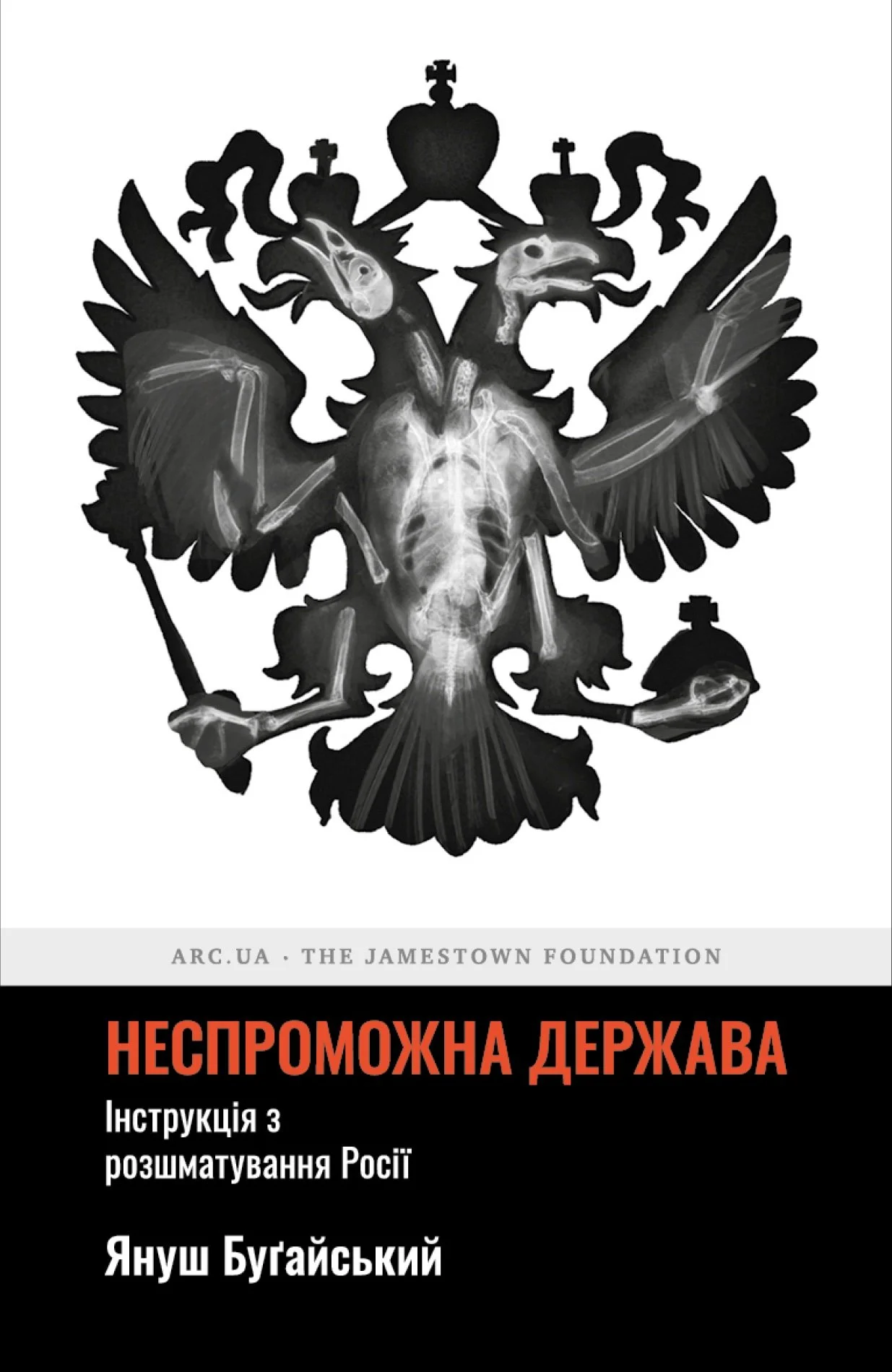
Failed State: A Guide to Russia’s Rupture

Неспроможна держава: Іструкція з розшматування Росії

Janusz Bugajski Author
Maria Dubrova,
Anna Melnychenko, Oleksandr Okhrimenko, Hanna Rak Translators
Language of translation: Ukrainian

Publishers: Jamestown Foundation / ARC.UA     
Language of translation: Ukrainian
 Janusz Bugajski / Author
Janusz Bugajski / Author

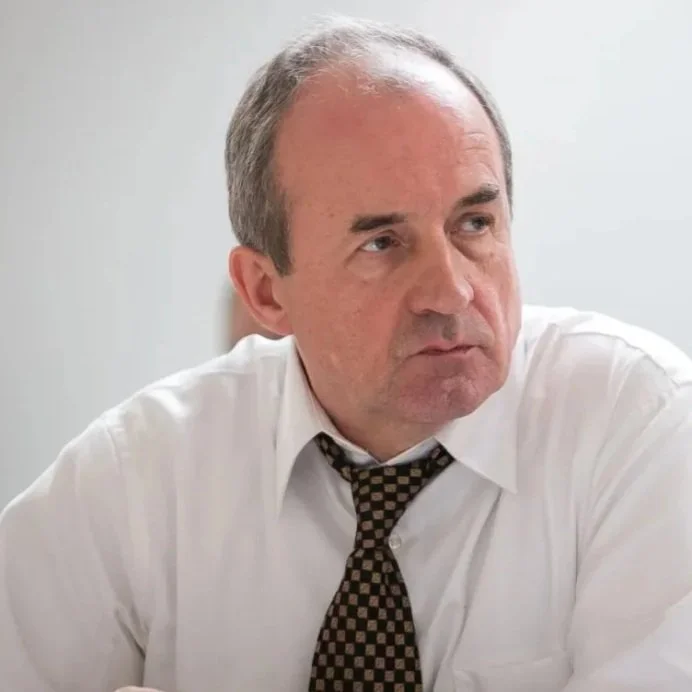
In this book, Janusz Bugajski argues that the Russian Federation is not a stable successor to the Soviet Union but a failed state confronting profound structural and political decay. After three decades of failed efforts to transform Russia into a nation-state, a civic polity, or a sustainable empire, the federation remains built on fragile historical foundations and lacks a shared national identity capable of uniting its population. Instead, Russia is defined by deep internal conflict—between nationalists, imperialists, centralists, liberals, and federalists—alongside growing tensions between Moscow and the country’s regions and ethnic republics.

Bugajski traces Russia’s accelerating state failure to a convergence of long-term pressures: economic stagnation, widening social and regional inequalities, demographic decline, entrenched corruption, personalist rule, institutional distrust, and the erosion of public faith in official propaganda. As repression intensifies to preserve central control under deteriorating conditions, the risk of violent rupture increases.

The book contends that Vladimir Putin, who rose to power promising to prevent Russia’s disintegration, may ultimately be remembered as the leader who presided over it. As Moscow’s authority weakens, new territorial entities and proto-states are likely to emerge, shaped by regional, ethnic, and political revivals. These successor entities will follow divergent paths—some forming new states, others experimenting with federal or confederal arrangements—while border disputes and regional instability remain likely.

Bugajski concludes by examining the international consequences of a fragmenting Russia and the strategic choices facing the United States and its allies. He argues that managing Russia’s rupture will require supporting regional self-determination, strengthening the security of neighbouring states, coordinating with major powers, and promoting transatlantic engagement with emerging post-Russian entities.

Award Archive

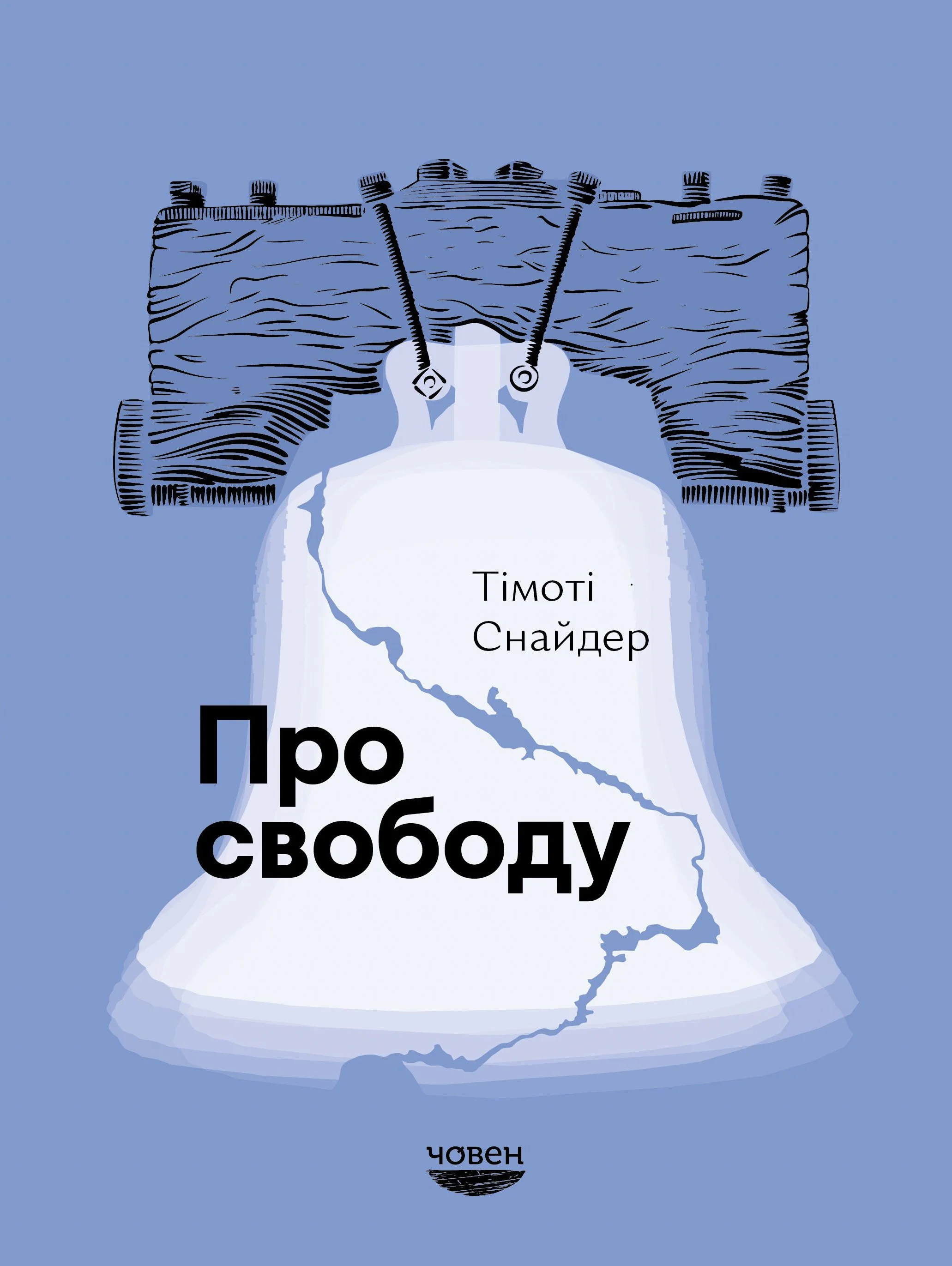
On Freedom

Про свободу

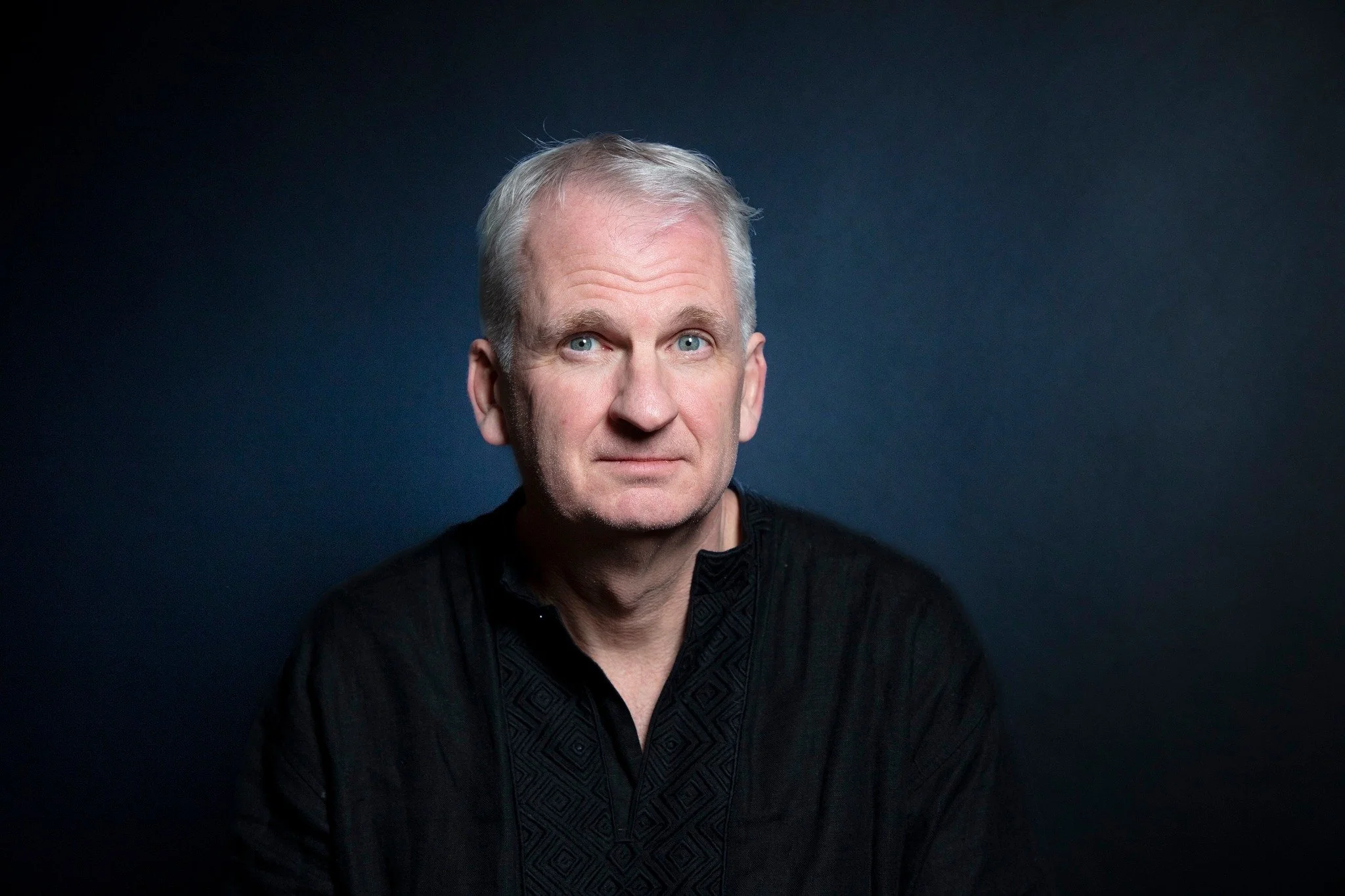
Timothy Snyder – Author
Halyna Herasym – Translator

Publisher: Crown Publishing / Choven Publishing House
Language of translation: Ukrainian

 Timothy Snyder / Author
Timothy Snyder / Author

In his book On Freedom, Timothy Snyder examines one of the most invoked yet least understood ideals of modern political life. While freedom is often celebrated as a defining feature of democratic societies, Snyder asks a more fundamental question: what does it truly mean to be free, and how can freedom be sustained in an increasingly complex and fragile world? The 2025 Translated Book Award recognizes the Ukrainian-language edition of this important book.

Drawing on history, philosophy, and lived experience, the book challenges common misconceptions that reduce freedom to the absence of constraint or state interference. Instead, Snyder redefines freedom as a collective and ethical project—one that requires responsibility, solidarity, and the protection of human dignity. Through a series of vivid and deeply personal reflections, ranging from a maternity ward in Vienna to maximum-security prisons and war-torn Ukrainian cities, he illustrates how freedom is shaped, defended, and often endangered.

On Freedom confronts the central challenges facing contemporary societies, including the rise of authoritarianism, growing inequality, opaque digital systems, and climate change. Snyder argues that freedom is being steadily eroded by oligarchic power, unchecked technology, and political cynicism—and that reclaiming it demands conscious action and moral clarity. The book ultimately offers a compelling call to rethink freedom not as an individual possession, but as a shared responsibility that must be actively protected if it is to endure.

Award Archive

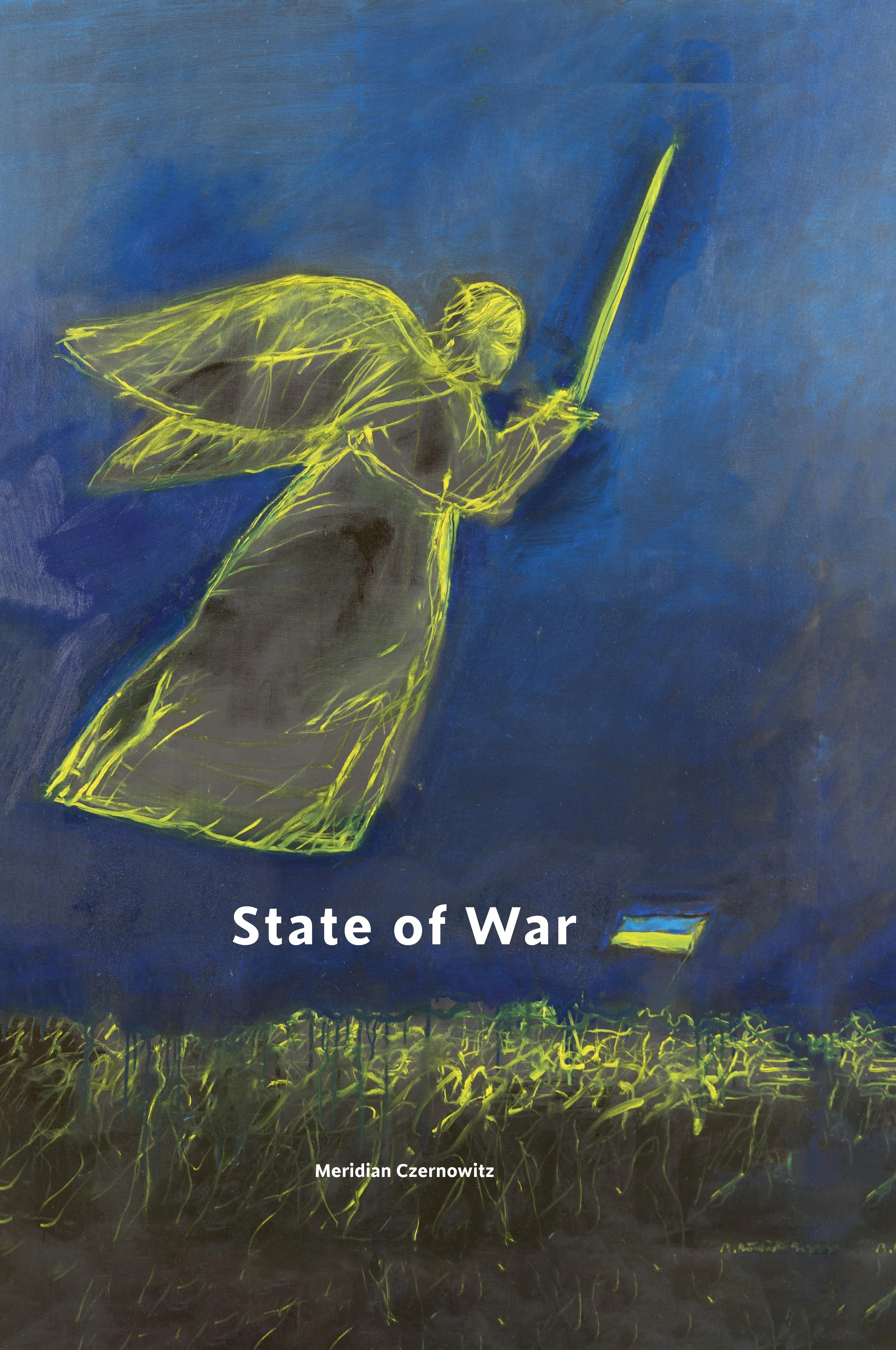
State of War

Evgenia Lopata, Andriy Lyubka Editors
Yulia Lyubka, Kate Tzurkan
Translators

Meridian Czernowitz – Publisher
Language of translation: English

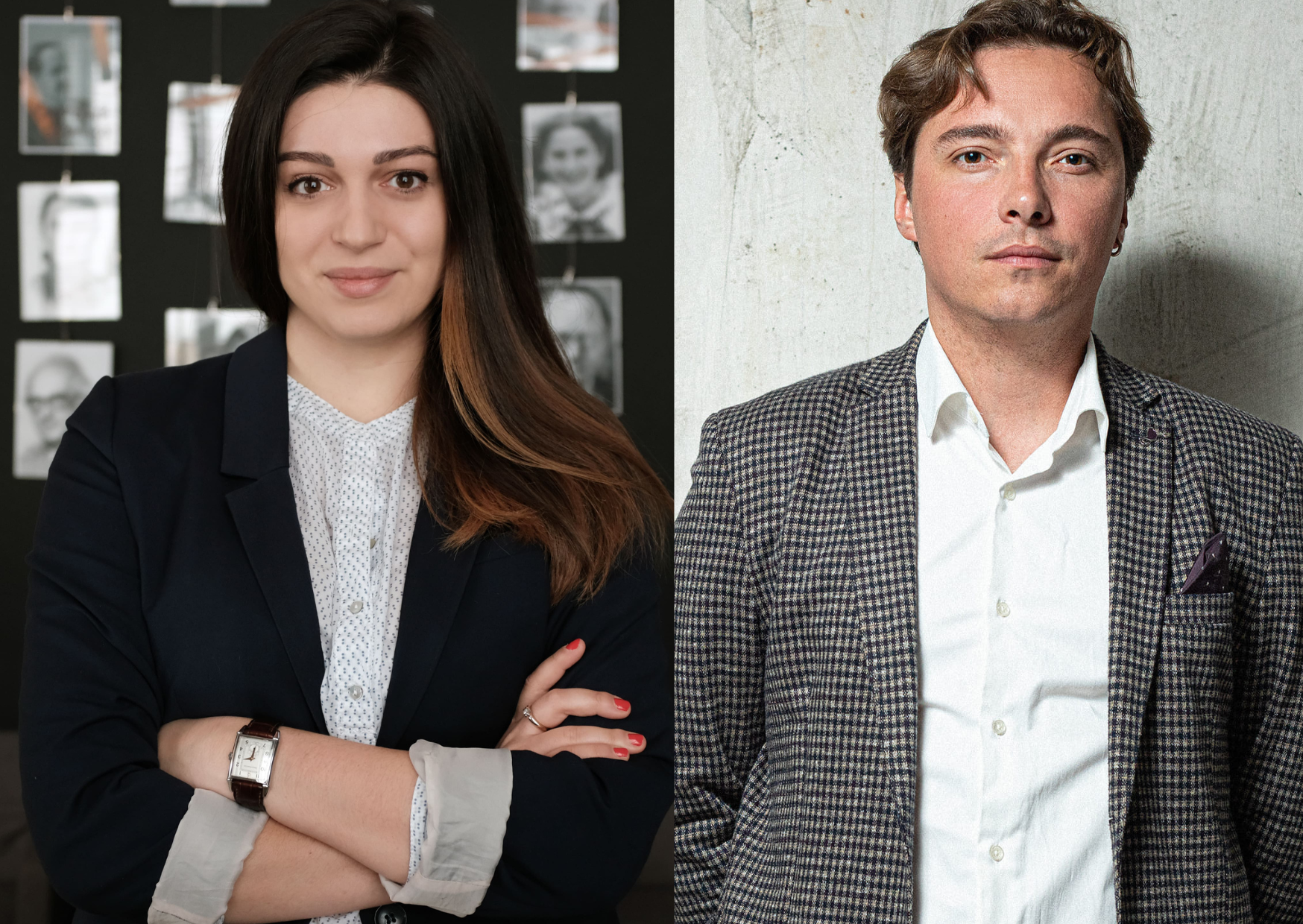
 Evgenia Lopata & Andriy Lyubka / Editors
Evgenia Lopata & Andriy Lyubka / Editors

This anthology brings together 35 powerful texts by some of Ukraine’s most prominent writers and intellectuals, offering an unflinching account of the first year of Russia’s full-scale war against Ukraine. Through essays, reflections, and personal testimonies, the contributors confront the brutality of war with honesty and moral clarity, preserving the lived experiences of those who witnessed its earliest and most devastating stages. The collection affirms the enduring power of truth and memory, ensuring that the realities of this war are neither forgotten nor diminished over time. It speaks not only to the tragedy of conflict, but also to the painful necessity of resistance in defence of home, dignity, and freedom.

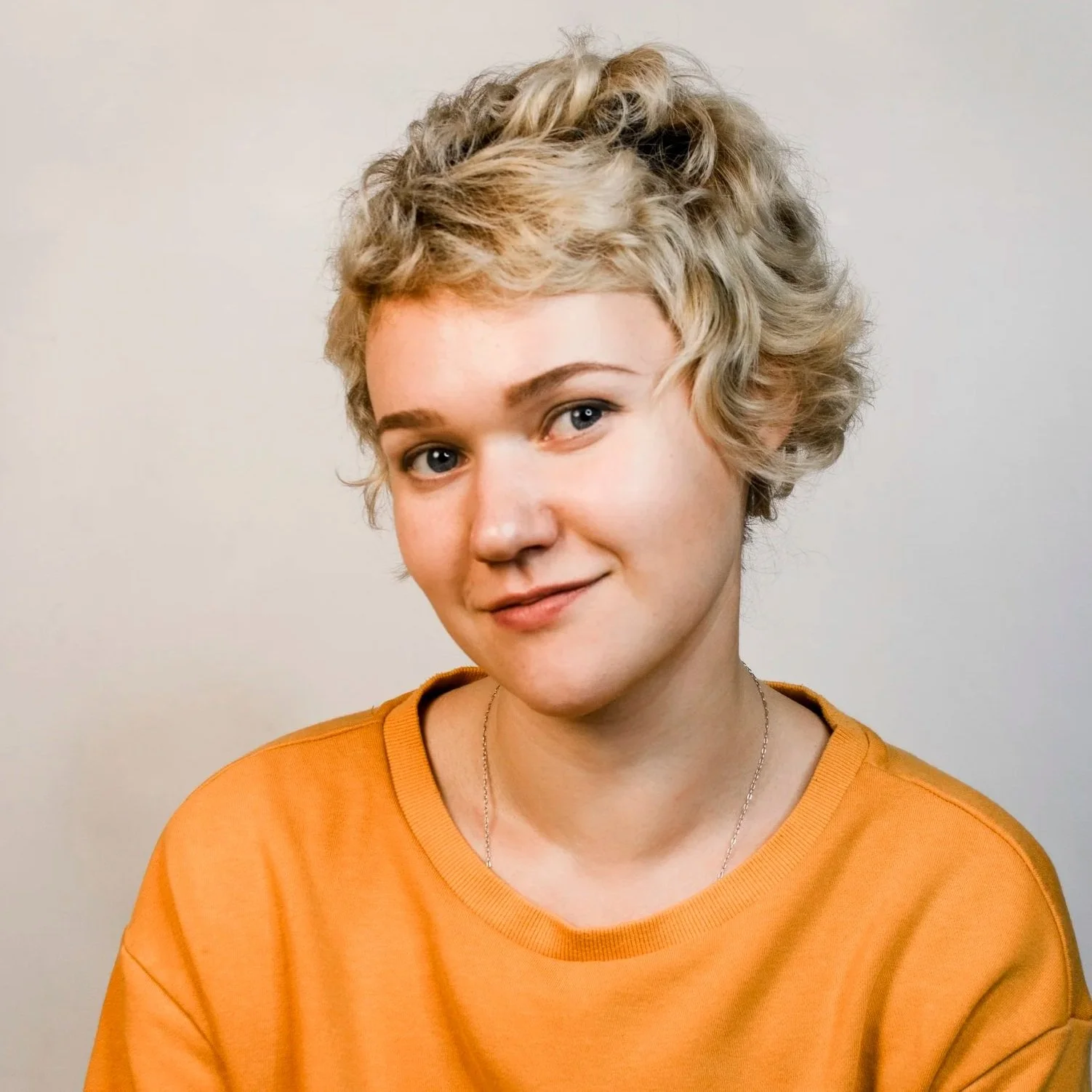
The book is the result of a major initiative by Meridian Czernowitz Publishing House aimed at supporting Ukraine’s literary community in the immediate aftermath of the invasion. By commissioning texts, the project provided direct financial assistance to 100 Ukrainian authors during an exceptionally difficult period. 

The anthology has played an important role in bringing Ukrainian voices to a global readership, with additional editions published in Latvian and Lithuanian and a German translation forthcoming. The foreword, written by the Commander-in-Chief of the Armed Forces of Ukraine, Valeriy Zaluzhnyi, underscores the historical significance of the collection and has further amplified its international impact.

Award Archive

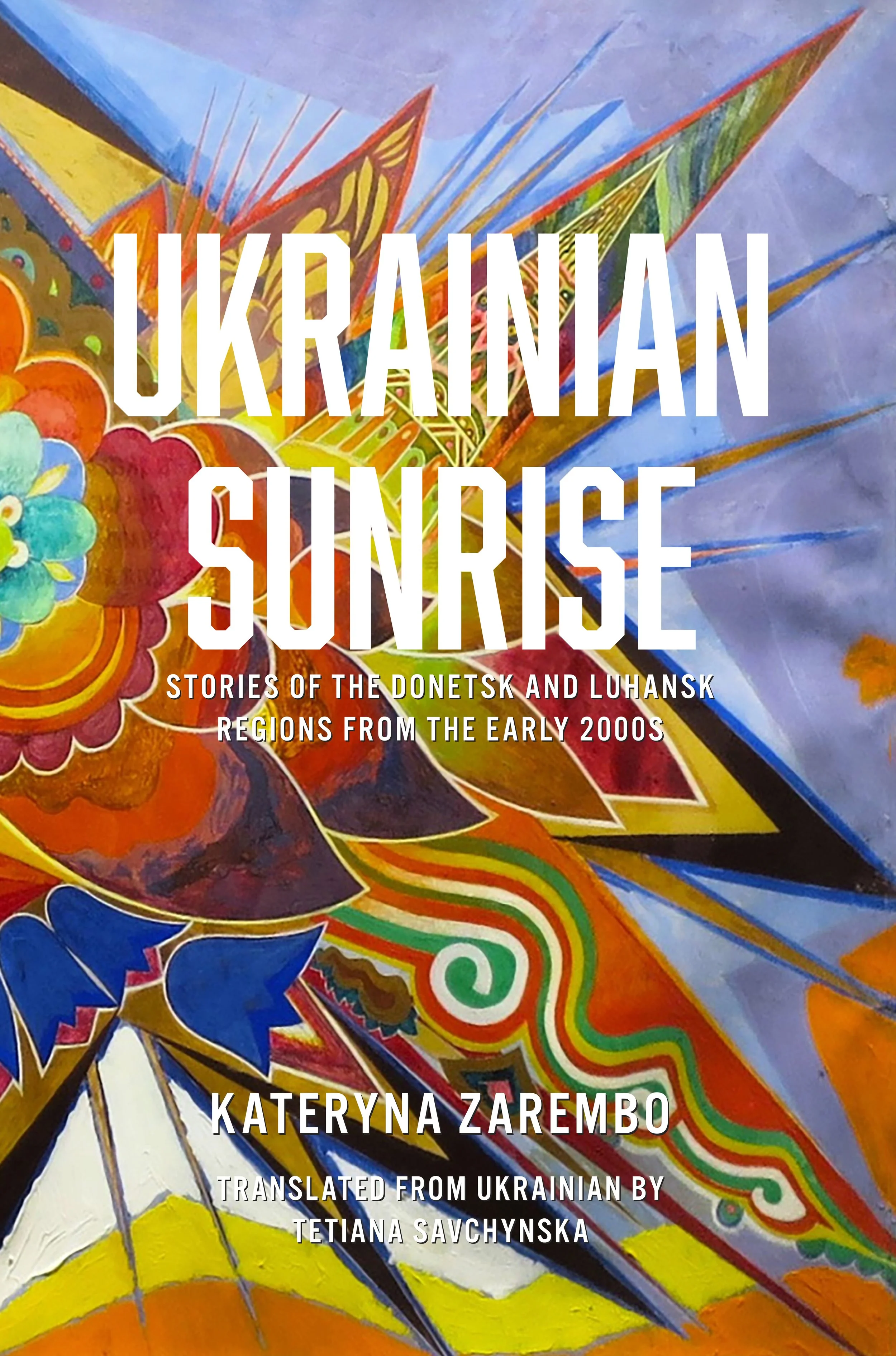
Ukrainian Sunrise

Stories of the Donetsk and Luhansk Regions from the Early 2000s 

Kateryna Zarembo Author
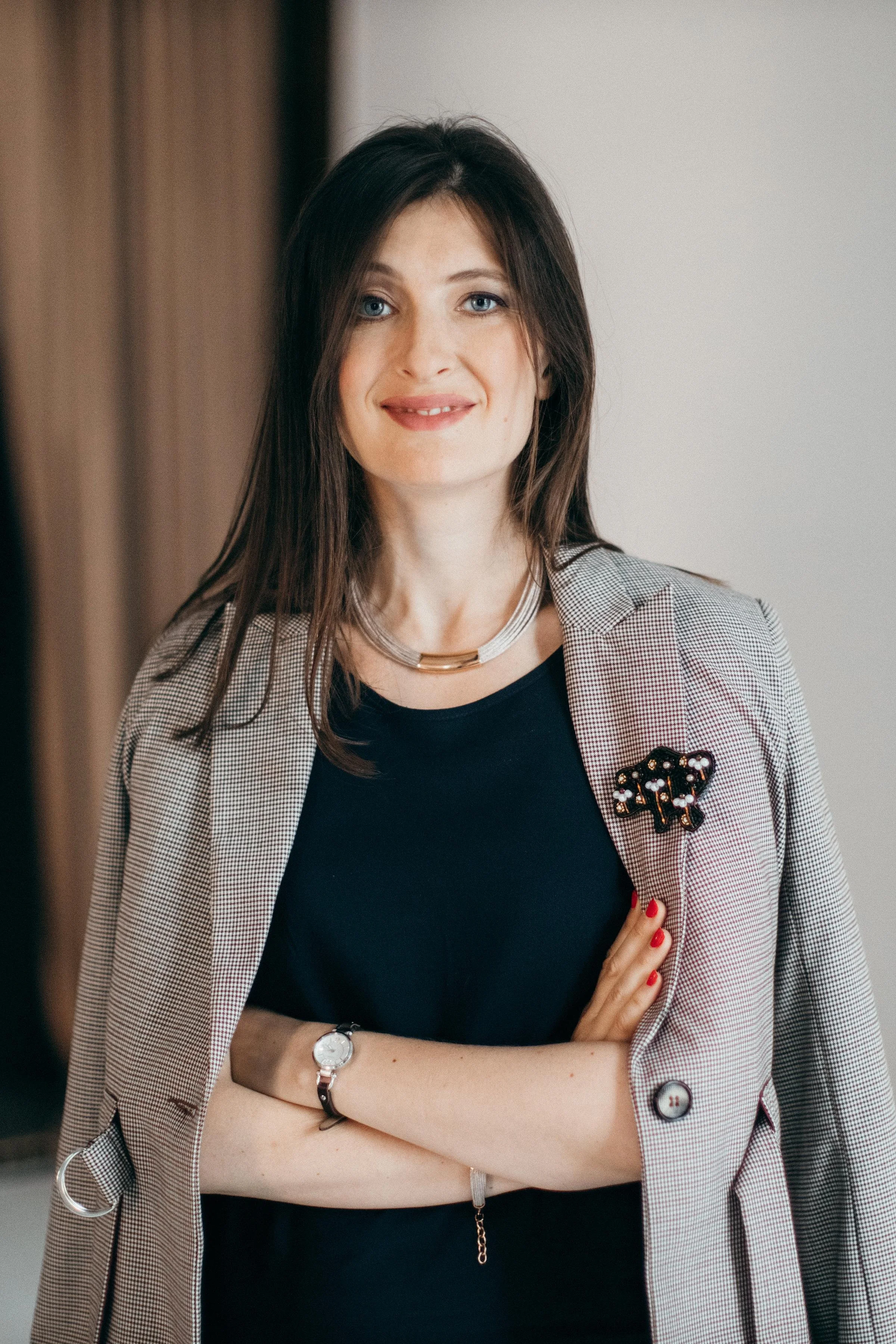
Tetiana Savchynska – Translator

Publisher: Choven Publishing House / Academic Studies Press
Language of translation: English

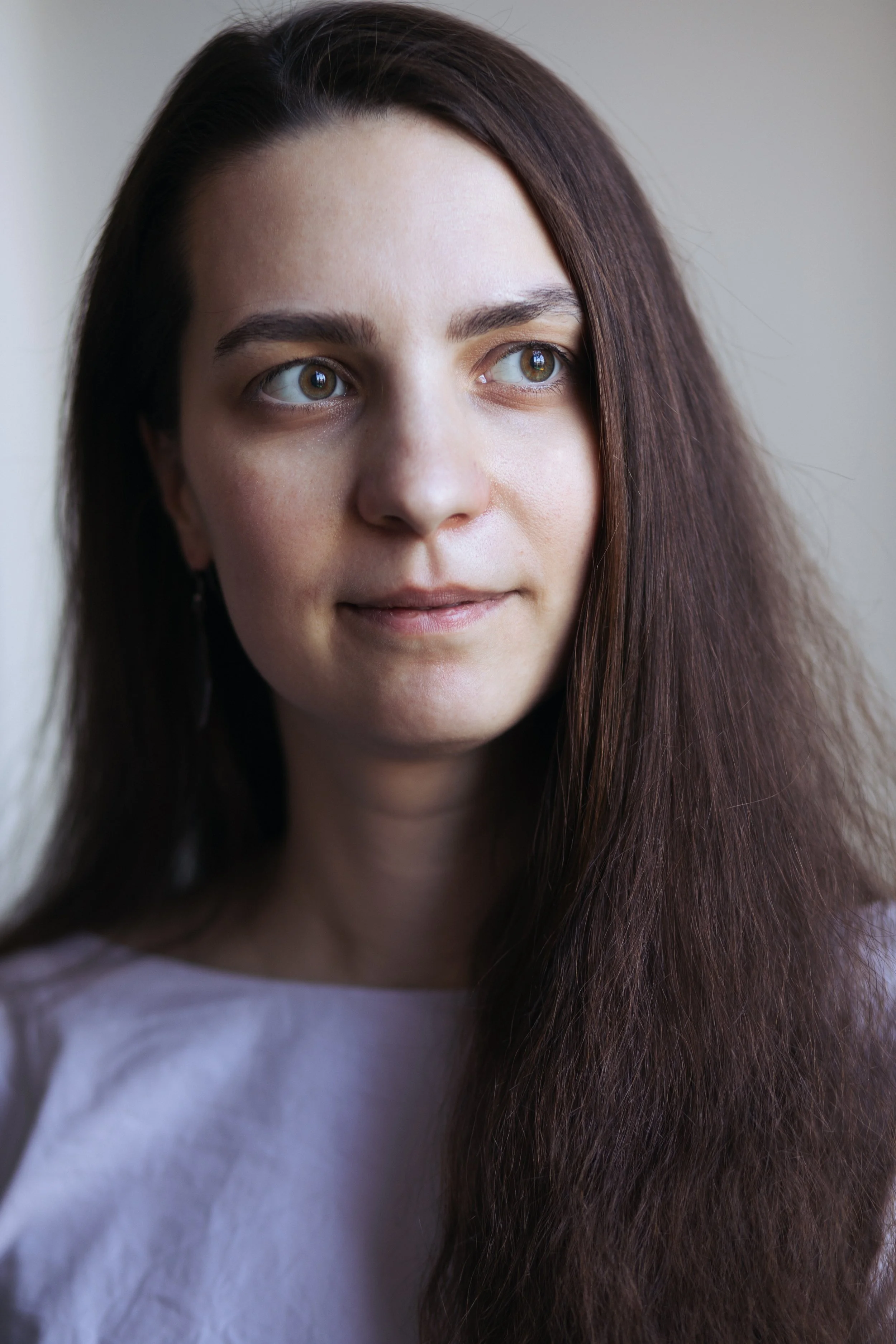
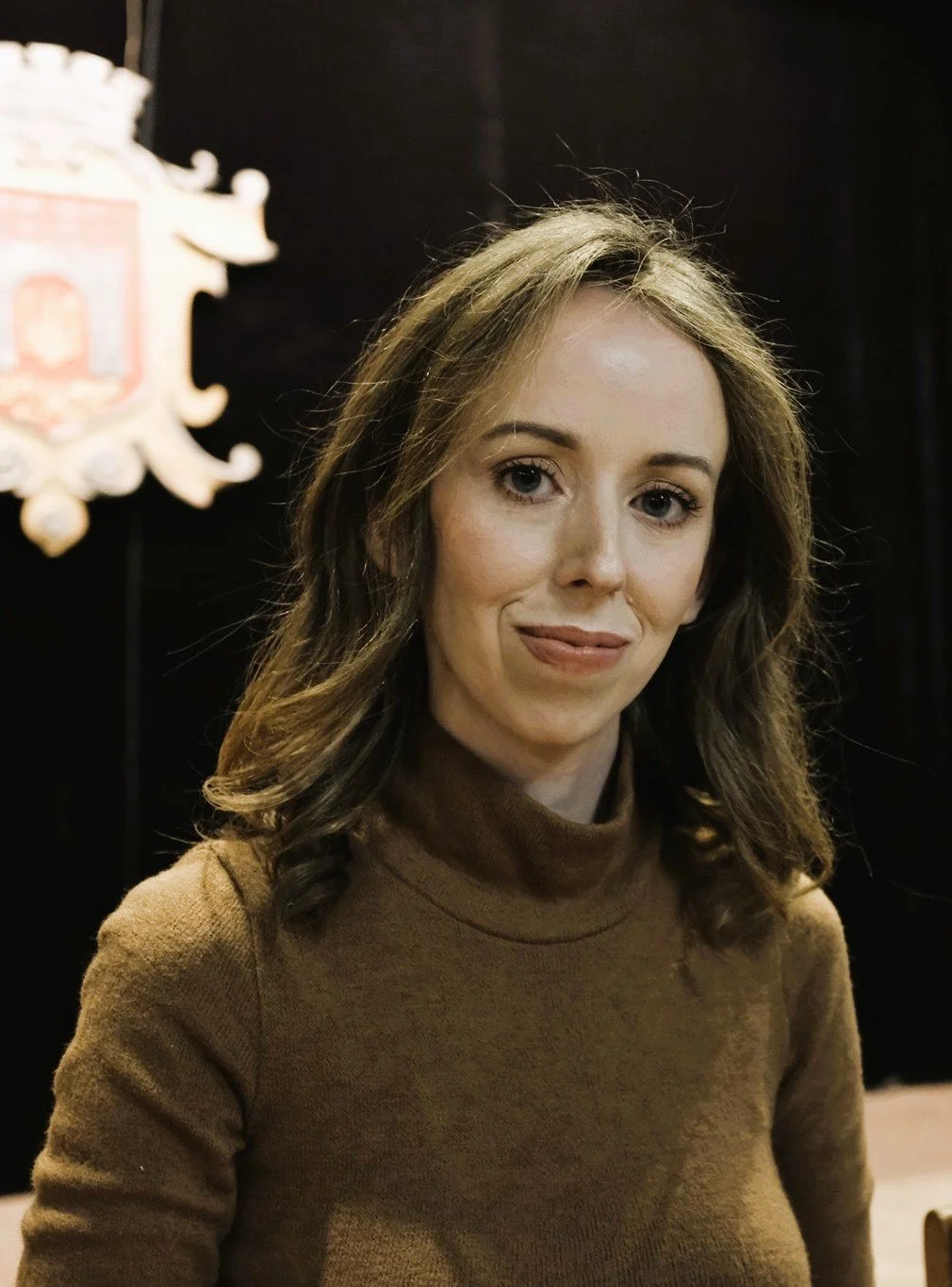
 Zarembo Kateryna /Author
Zarembo Kateryna /Author

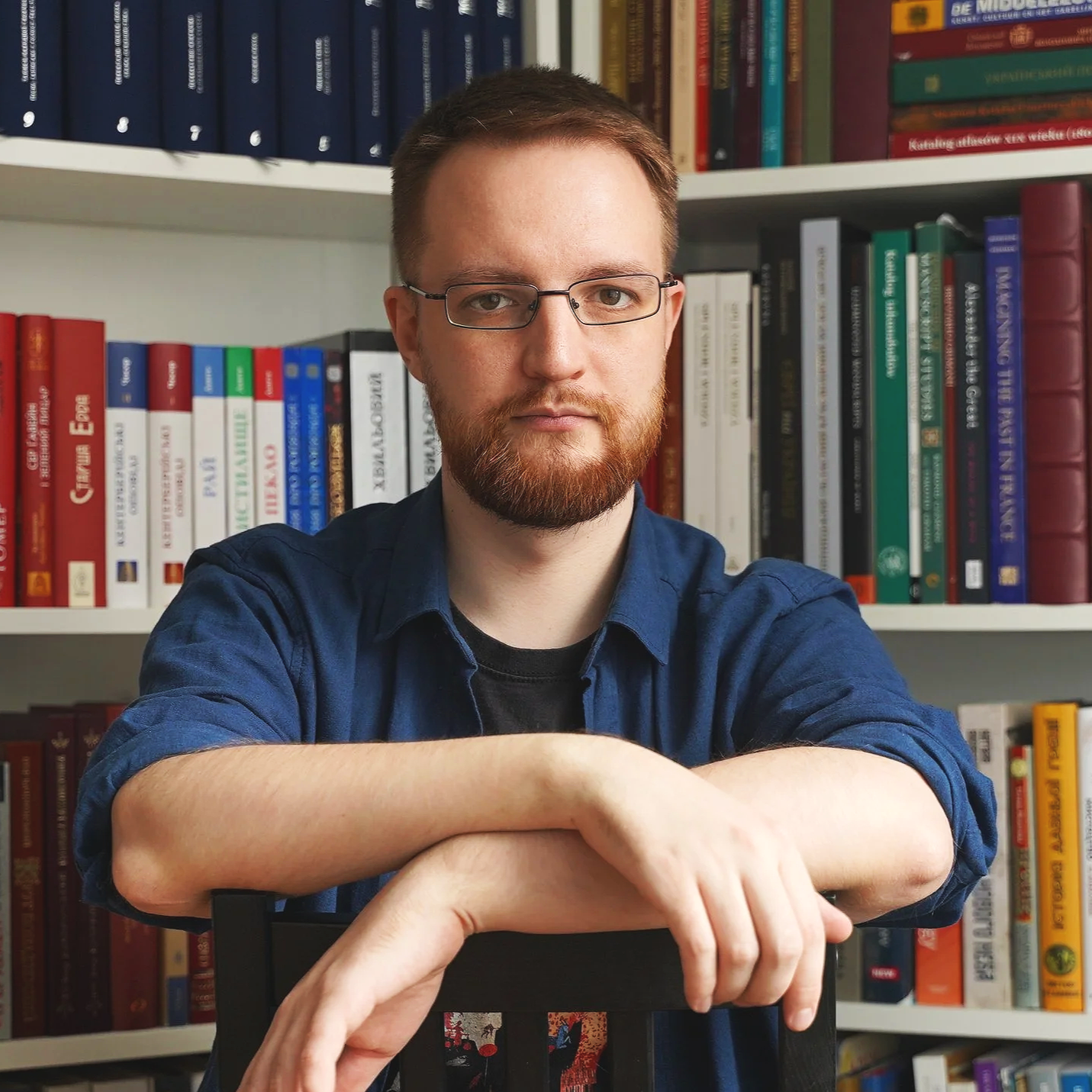
In Ukrainian Sunrise, Kateryna Zarembo offers a nuanced and deeply researched portrait of Ukraine’s eastern regions of Donetsk and Luhansk before Russia’s 2014 invasion. Based on extensive fieldwork, repeated journeys, and interviews with local residents, the book challenges simplified and often distorted narratives that have long dominated media and political discourse. Zarembo reveals a region far more complex, diverse, and rooted in Ukrainian civic and cultural life than commonly portrayed.

The book opens with a critical examination of the very concept of “Donbas,” tracing how Soviet ideology reduced the region to a narrowly defined industrial myth. Zarembo demonstrates how this narrative erased entire communities, marginalized rural populations, and misrepresented linguistic realities. She dismantles the notion that the region was inherently Russian-speaking or predisposed to separatism, arguing instead that these ideas were artificially constructed and later weaponized by Moscow and local political elites.

Subsequent chapters explore the vibrant civic and cultural life that flourished in eastern Ukraine prior to the invasion. Zarembo documents grassroots organizations such as the Donetsk-based group Poshtovkh (“Impulse”), which played a key role in the Ukrainian cultural revival of the early 2000s. She highlights how artists, writers, musicians, and theatre practitioners formed underground cultural networks that resisted both Soviet legacies and political repression. The book also traces the region’s European influences from the late nineteenth and early twentieth centuries, revealing historical ties to Belgian, German, French, and British communities that shaped its development.

Zarembo further examines the overlooked role of villages as carriers of Ukrainian identity and explores the religious diversity of the region, including Protestant, Orthodox, Greek Catholic, and Muslim communities, many of which re-emerged following Ukraine’s independence after decades of Soviet persecution. The book concludes by underscoring the civic engagement of youth movements and football fan communities, whose activism became instrumental in defending Ukraine’s democratic values.

Since 2024, Kateryna Zarembo has served as a combat medic with the Hospitaliers Medical Battalion, continuing to travel to Donetsk and Luhansk regions—now on the frontlines of the very history she so powerfully documents. Her work stands as both a scholarly contribution and a testament to the lived realities of Ukraine’s eastern regions, offering essential context for understanding the roots of Russia’s aggression and the resilience of Ukrainian society.

Award Archive