Welcome to WordPress. This is your first post. Edit or delete it, then start writing!
Author: peterson admin
LISA SHYMKO chair

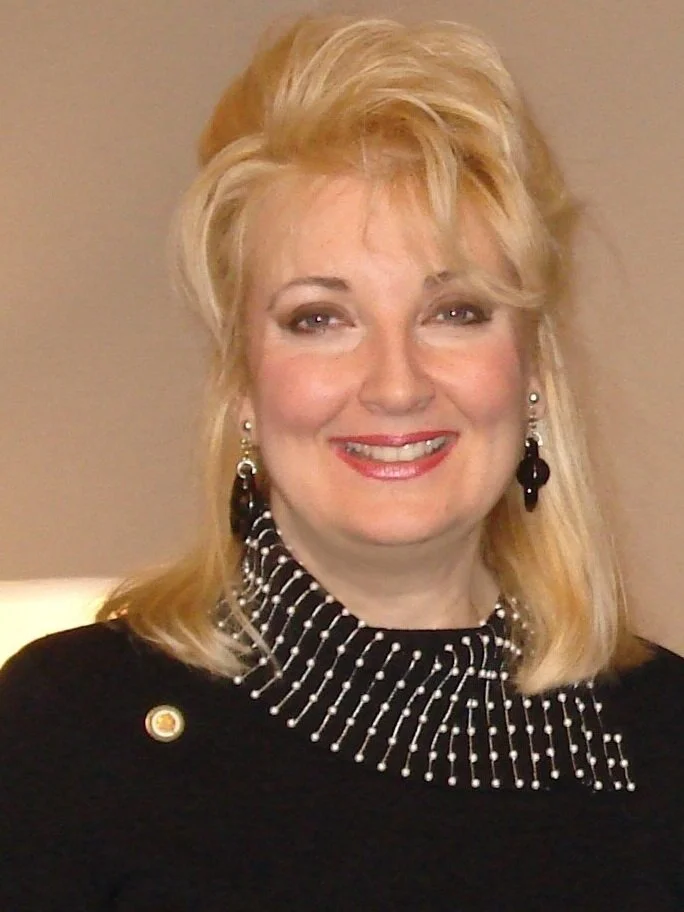
Lisa Shymko holds an M.A. in Political Science (University of Toronto) and a Four-year Honours B.A. with a Specialist in Canadian constitutional law and Soviet history and a Double Minor in Economics and Slavic Studies (University of St. Michael’s College – University of Toronto).
Ms. Shymko brings unique insight into all aspects of communications, having spent decades in the media, nongovernmental, and financial services sectors.
Her news articles and opinion pieces on global security issues have appeared in The Globe and Mail, The American Spectator, Maclean’s magazine, and Ukraine’s daily newspaper, The Day (Hazeta Den’).
Ms. Shymko served as a media advisor to Ukraine’s first ambassador to Canada— former Soviet dissident Levko Lukianenko — writing several editorials for the ambassador, including a 1993 op-ed for the Globe and Mail.
Lisa Shymko was appointed by the City of Toronto to serve on the Toronto Public Library Board, and was later elected Chair of its Services, Planning and Capital Committee. She has managed two international book exhibitions in the House of Commons in Ottawa and the National Parliamentary Library of Ukraine in Kyiv.
Ms. Shymko managed several international development projects, including the Ukraine-Canada Journalists Exchange Program for the International Renaissance Foundation of the Soros Foundations Network.
She was the founding Director of the Canada-Ukraine Parliamentary Resource Centre at the National Parliamentary Library of Ukraine in Kyiv, established by Canadian Friends of Ukraine in cooperation with the Government of Canada.
At the invitation of the Government of Canada, she has testified before the House of Commons Standing Committee on Foreign Affairs and collaborated on the drafting of historic Canadian legislation recognizing Ukraine’s Stalin-era famine as genocide, for which her efforts were officially acknowledged in the House of Commons in 2008. Between 2010–2015, she was part of Prime Minister Stephen Harper’s delegation on three official visits to Ukraine.
As Director of Corporate Communications for BCU Financial Group, she spearheaded the creation of Forum TV — a community-based television program supported by BCU Foundation and broadcast nationally on Rogers-OMNI, where she served as Supervising Director (2012–2017).
Ms. Shymko has chaired and held various board positions in several nongovernmental organizations, including the Ukraine Support Fund, BCU Foundation, and the Ukrainian Canadian Congress. In 2024, she was elected to the Board of Directors of the NATO Association of Canada.
As a member of the Canada Ukraine Foundation’s advisory committee for the Holodomor National Awareness Tour, she chaired the Canadian film premiere of Hunger for Truth: The Rhea Clyman Story (2018) and edited the French translation of the Ukrainian Institute of National Memory’s publication, entitled L’Holodomor: Génocide du Peuple Ukrainien, produced by the Canada Ukraine Foundation (2020).
Ms. Shymko is past Chair of Guardian Angels Ukraine, a veteran’s rehabilitation project which operated in Ukraine under the auspices of the LUCW, in cooperation with NATO’s Medical Rehabilitation Trust Fund (2014–2017).
She is a frequent speaker at international conferences, including the 2021 Virtual NGO Forum of the 65th Session of the UN’s Commission on the Status of Women and the NATO Association of Canada conference, Crisis Response: Is Canada Prepared? — Unrest on NATO’s Eastern Flank: Ukraine, Baltic States, Russia (2017).
Lisa Shymko is the recipient of several prestigious awards, including: The Presidential Order of Merit (2009, Ukraine); Queen Elizabeth II Diamond Jubilee Medal (2012, Canada); The Medal of Honour of the Ministry of Defence of Ukraine (2017).
JURIJ DAREWYCH

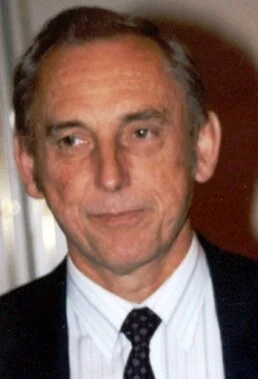
Jurij Darewych is a founding member and Past President of Canadian Friends of Ukraine, Past President of the Ukrainian Canadian Research and Documentation Centre (UCRDC), past Chair of the Human Rights Commission of the Ukrainian World Congress, and a Foreign Member of the National Academy of Sciences of Ukraine.
He was part of the research and creative team that spearheaded the production of the Ukrainian diaspora’s most successful historical documentary — the award-winning film, “Harvest of Despair”, the first documentary focusing on Stalin’s state-sponsored famine of the Ukrainian people.
Jurij Darewych also served as member of the Canadian-based script-writing committee for the Ukrainian Canadian Research and Documentation Centre’s World War Two documentary, “Between Hitler and Stalin: Ukraine in World War II— The Untold Story”.
In 2014, Jurij Darewych was chosen by the Ukrainian Canadian Congress to convene and direct a special Advisory and Coordinating Committee to provide advice and support to the Canadian Museum of Human Rights on academic research on Ukrainian issues.
Jurij Darewych has served as director of numerous non-governmental organizations, including the Ukrainian Catholic Education Foundation in support of the Ukrainian Catholic University in Lviv.
Jurij Darewych is currently President of COSBILD, a Ukrainian-Canadian non-profit that supports historically significant publications and academic scholarship programs considered important to the global Ukrainian community.
Jurij Darewych is also the recipient of the 2013 Ukrainian Canadian Congress’ Shevchenko Medal Award for Community Development.
Jurij Darewych studied physics and mathematics at the University of Manitoba in Winnipeg. He obtained an M. Sc. in physics from the University of Manitoba and a Ph. D. from the University of Alberta. In 1967 he obtained a position of professor in the Department of Physics at York University in Toronto, where he taught physics and mathematics and conducted research in theoretical physics. Professor Darewych is the recipient of several awards, including the President’s University-Wide Teaching Award at York University, honoring those who, through innovation and commitment, have significantly enhanced the quality of learning.
Dr. Darewych is the author of over 120 refereed papers on physics in Canadian, US and European journals of physics, and was a visiting professor at the Universities of Florida, Paris, Rome and London (UK), as well as various Physics Research Institutes in the US and Europe. He has supervised 14 M. Sc. and 12 Ph. D. students in physics and 7 Postdoctoral Fellows at York University where he is currently a Professor Emeritus.
NADIA GERELIOUK

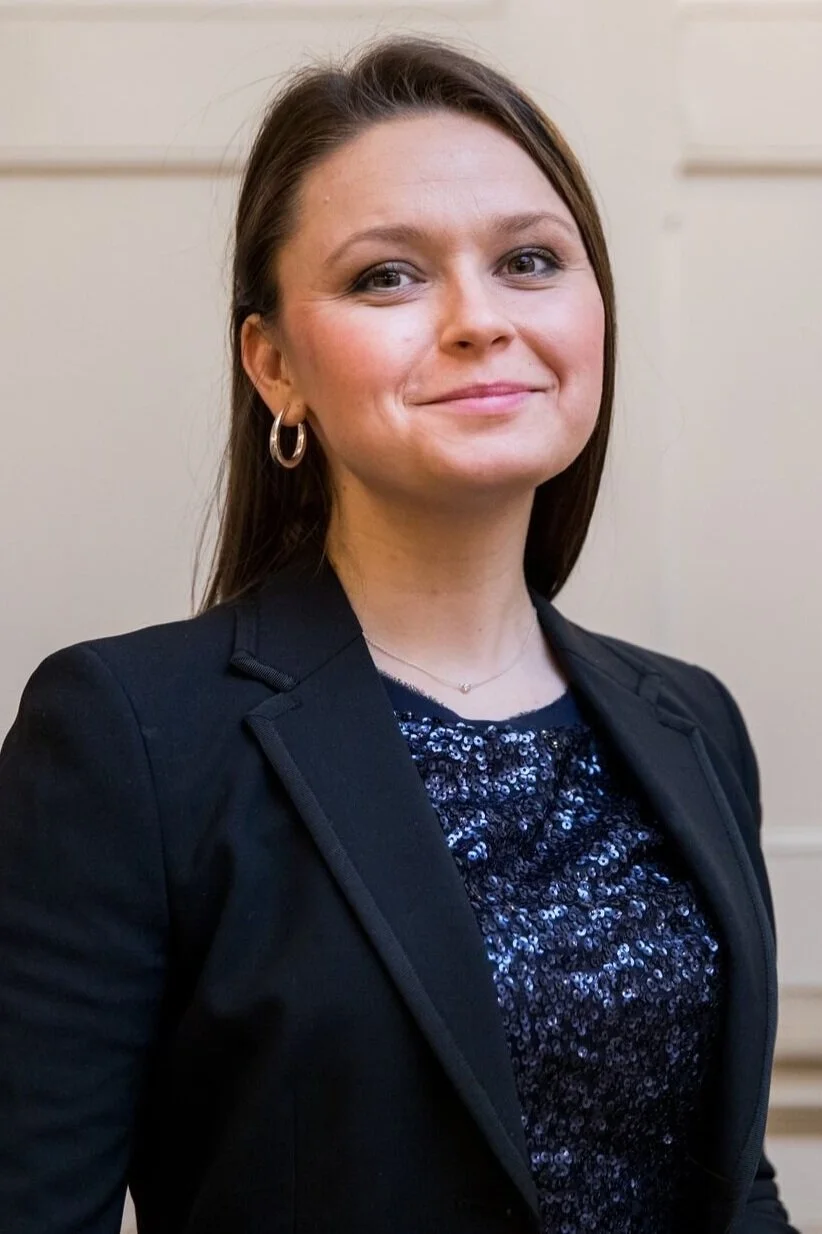
Nadia Gereliouk holds a Ph.D. from the Department of Slavic Languages and Literatures at the University of Toronto. Nadia’s interests complement the variety of perspectives shared by the jury vis-à-vis new publications on Ukrainian themes.
Her research interests include contemporary feminist Ukrainian literature, autobiography studies, the politics of memory, the diaspora experience, and migration studies.
She has taught Ukrainian language courses at several Canadian institutions, including the Slavic Languages Department at the University of Toronto. In 2022, her list of books for readers who seek a better understanding of Ukraine, beyond the headlines, was published by The Globe and Mail.
In addition to serving on the board of BCU Foundation, Nadia also serves on the boards of several other non-governmental organizations, including the Toronto Ukrainian School Board, contributing to its ongoing curriculum development, the Ukrainian Canadian Congress – Toronto Branch, the League of Ukrainian Canadians, and the Shevchenko Scientific Society of Canada.
Among the charitable projects where Nadia serves as a board member is the Saskatoon-based non-for-profit Stream of Hopes Aid for Ukraine Inc., whose activities help disadvantaged children in Ukraine
IVAN (JOHN) JAWORSKY

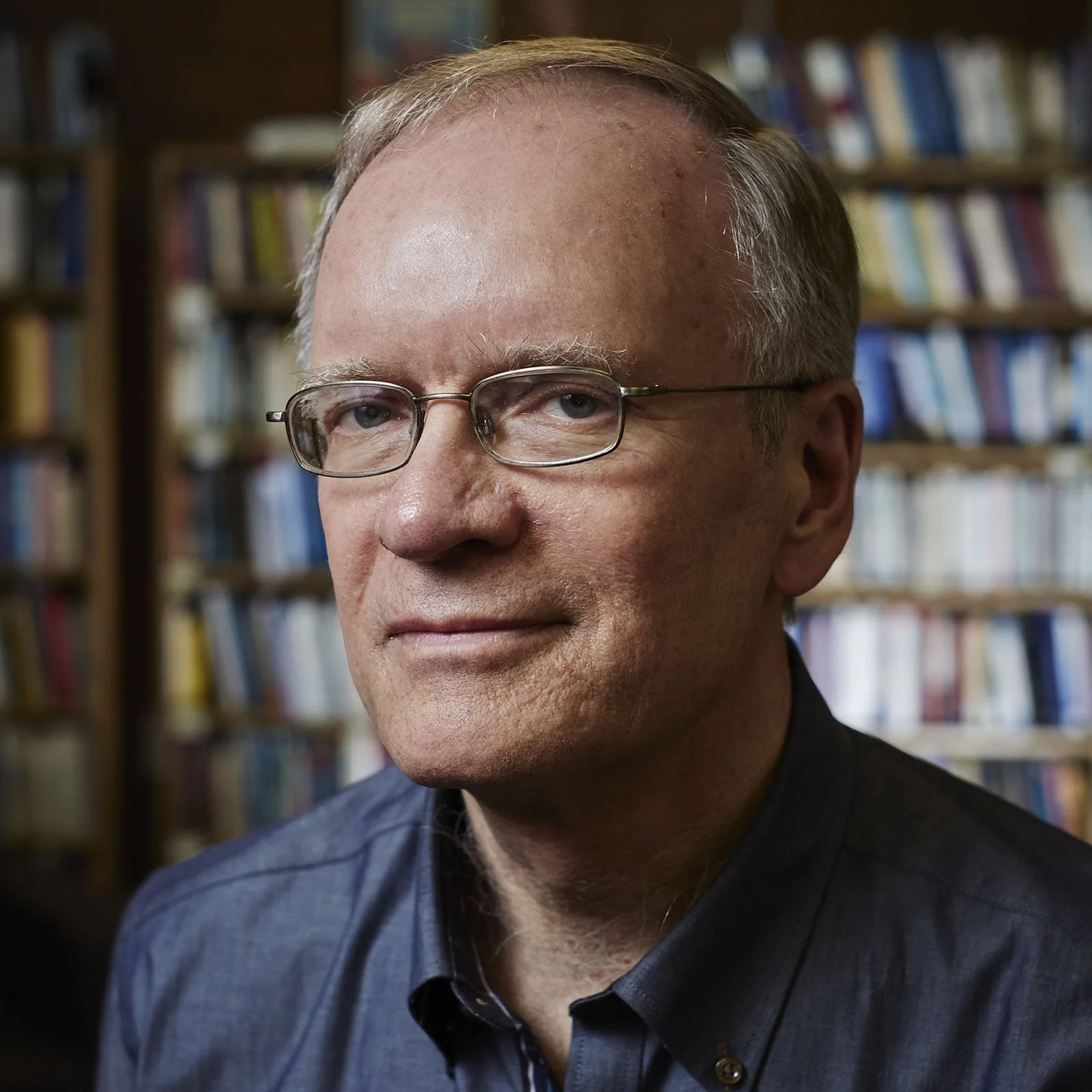
Ivan (John) Jaworsky is Professor Emeritus, Department of Political Science, University of Waterloo. His research interests include dissent in the Soviet Union (especially Soviet Ukraine) and its legacies in the Soviet successor states, regional issues and inter-ethnic relations in Ukraine, civil-military relations in Ukraine, the Ukrainian diaspora, and Canada’s multiculturalism policy. Between 2000 and 2010 he was a research associate with the “Building Democracy in Ukraine” and “Democratic Education in Ukraine” projects (Queen’s University). He is the author of The Military-Strategic Significance of Recent Developments in Ukraine (1993), Ukraine: Stability and Instability (1995), and articles on a variety of topics, with a focus on contemporary Ukraine. He also prepared for publication the English-language versions of the memoirs of Ukraine’s first minister of defence, Kostiantyn Morozov (Above and Beyond, Harvard University Press), and of the dissident and political prisoner Danylo Shumuk (Life Sentence, CIUS).
He is a frequent conference speaker, providing insights into the global security implications of Russia’s war against Ukraine. He has been actively engaged in supporting newcomers from Ukraine settling in the Canadian community of Kitchener-Waterloo, where professor Jaworsky currently resides. His webinars have focused on Ukrainian migration as it relates to historic memory, identity, and resilience. Ivan Jaworsky was recently appointed a Fellow of the Balsillie School of International Affairs (BSIA), Waterloo.
ASKOLD KRUSHELNYCKY

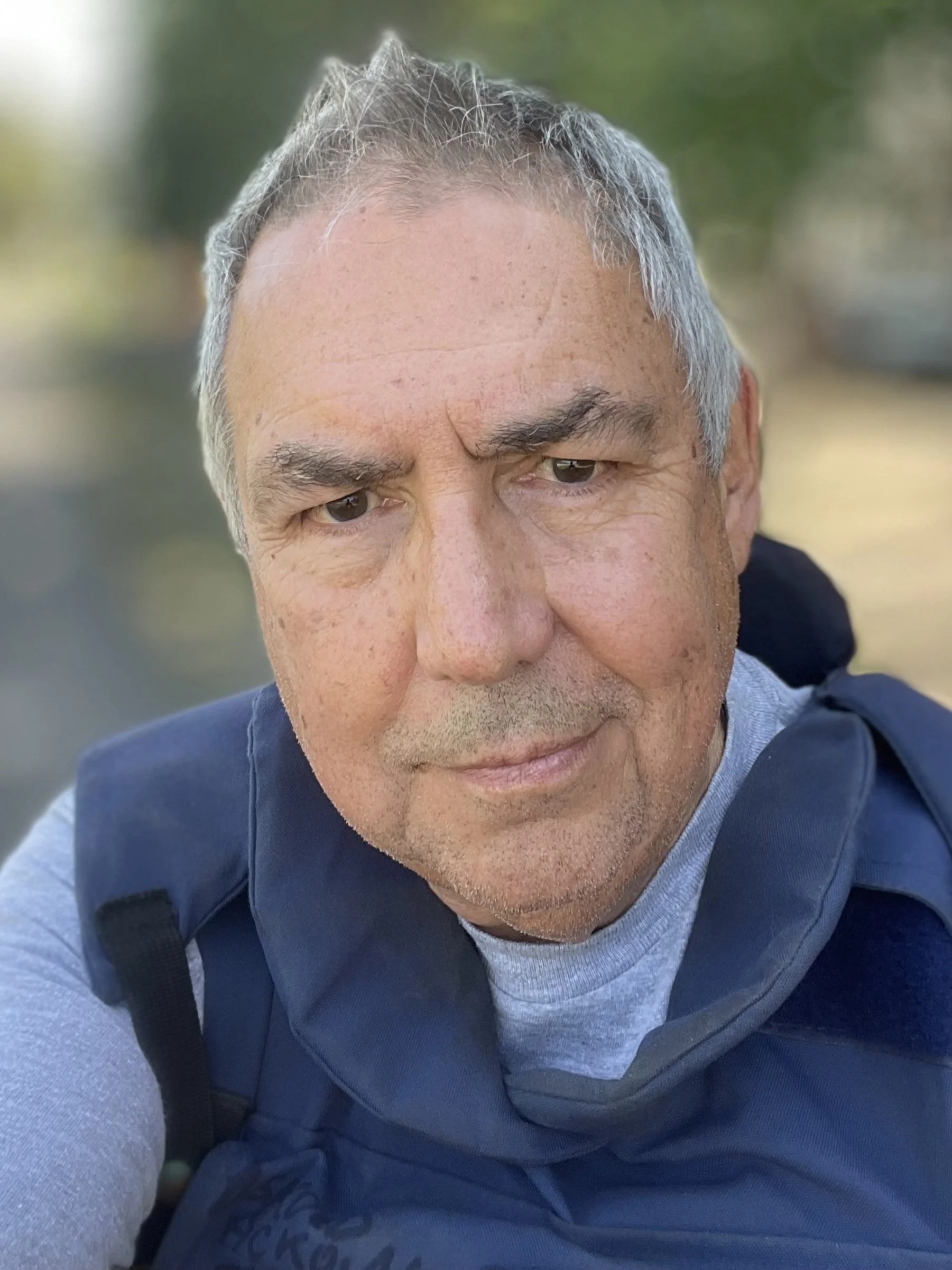
Askold Krushelnycky is a British-born foreign correspondent for The Independent. In a career which has spanned four decades, Askold Krushelnycky has seen first-hand the brutality of the Russian regime. He has worked and lived in Moscow. As a journalist, in the 1980’s he accompanied Afghan Mujahideen to report on their fight against the Soviet invasion.
He has worked in London, Prague, Washington, and Kyiv, writing for The Sunday Times, The Chicago Tribune, Foreign Policy, The National Review, Radio Free Europe/Radio Liberty, and The Kyiv Post. Since the early days of Russia’s attack on Ukraine in 2014, Askold has often been embedded with Ukrainian soldiers on the front lines and has reported on the war for leading international newspapers and journals. In the fall of 2024, he was with Ukrainian troops as they crossed into Russia.
Askold is the author of An Orange Revolution: A Personal Journey Through Ukrainian History published in the UK by Harvill Secker.
ALEXANDER J. MOTYL

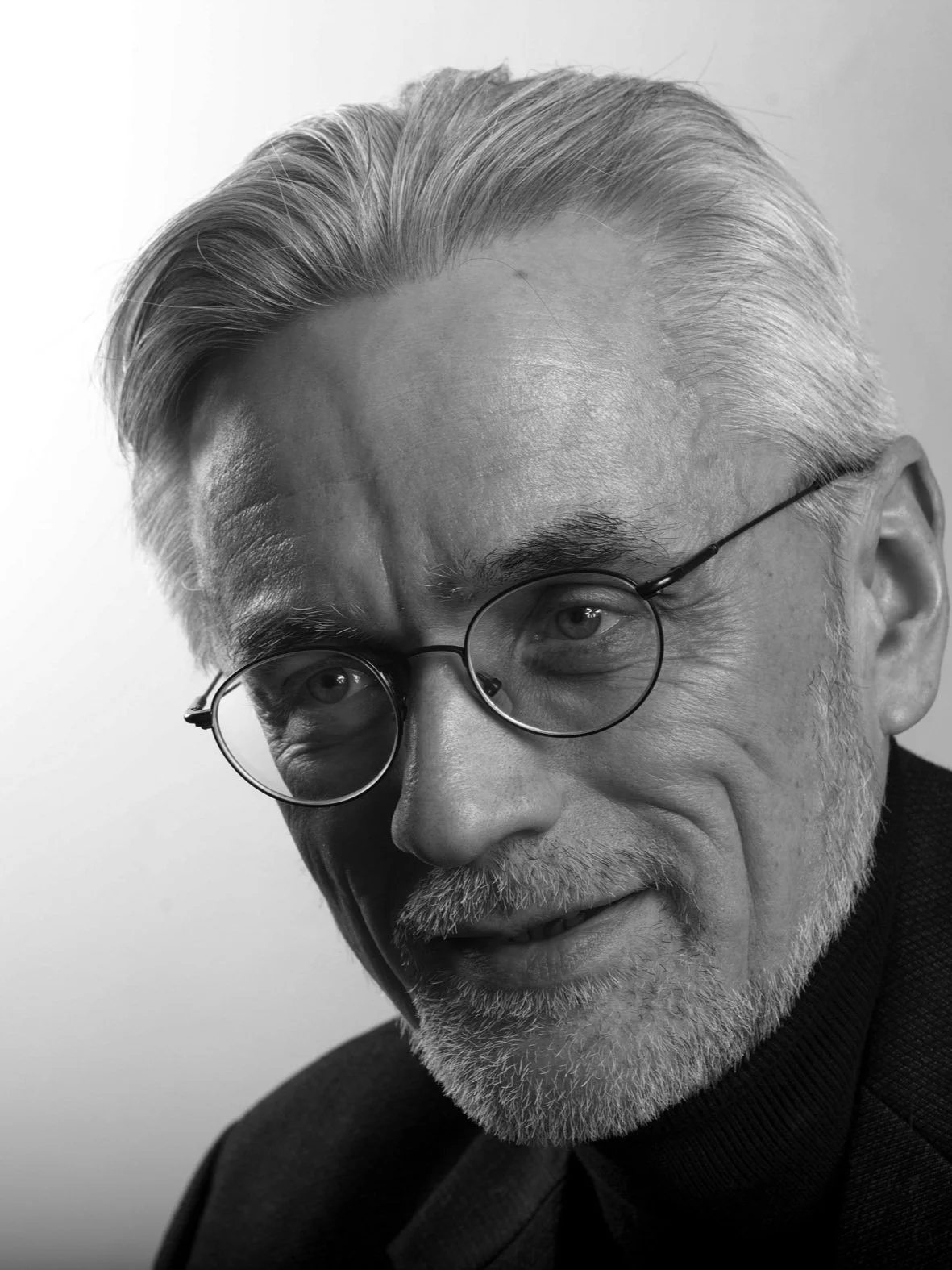
Alexander J. Motyl is a painter, writer, and professor. Nominated for the Pushcart Prize in 2008 and 2013, he is the author of eleven novels and a collection of poetry. His artwork has been shown in solo and group shows in New York, Philadelphia, Westport, and Toronto and is part of the permanent collection of the Ukrainian Museum in New York and the Ukrainian Cultural Centre in Winnipeg. He has done performances of his fiction at the Cornelia Street Café and the Bowery Poetry Club in New York City.
Motyl earned his PhD from Columbia University where he has lectured. He has also taught at Lehigh University, the Kyiv-Mohyla University, and Harvard University. He currently teaches political science at Rutgers University-Newark and the Ukrainian Free University in Munich. He frequently contributes opinion columns in such publications as Foreign Policy, 19FortyFive, and the Kyiv Post.
He is the author of eight academic books and numerous articles. He is the 2019 Laureate of the Omelian and Tatiana Antonovych Foundation. According to Academic Influence, Motyl was ranked sixth among the “Top Ten Most Influential Political Scientists Today.”
MARKO ROBERT STECH

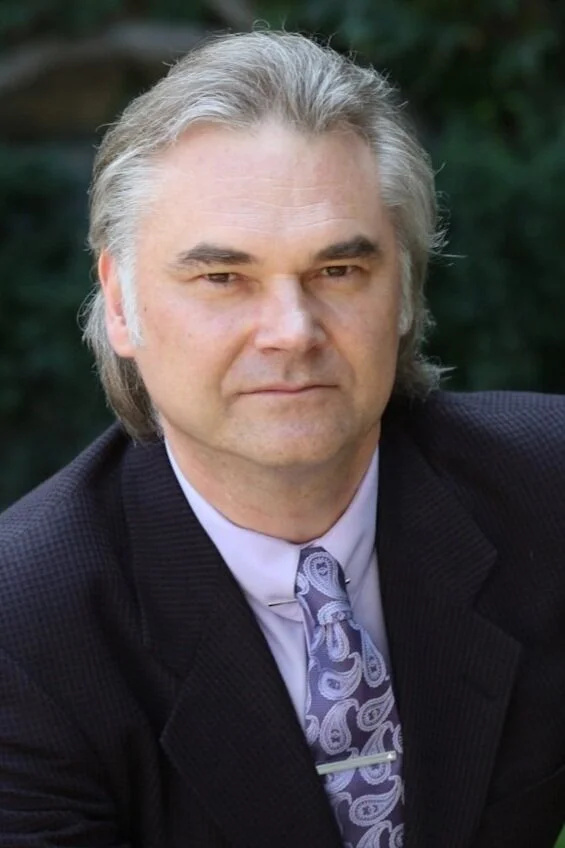
Marko Robert Stech is a writer, literary scholar, and specialist in the history of culture.
He holds a PhD in Slavic Studies and a MASc in Engineering from the University of Toronto.
He holds several positions at the Canadian Institute of Ukrainian Studies (CIUS) of the University of Alberta and University of Toronto: director of CIUS Press and Scholarly Publications, overseeing the Press, the Internet Encyclopedia of Ukraine, East/West: Journal of Ukrainian Studies and Ukraina Moderna; and project manager of the Hrushevsky Translation Project.
His novel, The Voice («Голос»), won the 2009 Mykola Gogol International Prize for Literature. He is the author of Essays in Search of Sources («Есеїстика у пошуках джерел»), the experimental novel The Undying («Невмирущі»), and numerous other essays.
He is the compiler of the literary legacies of Ihor Kostetsky, Iurii Kosach, and Emma Andiievska; and a compiler and editor of an anthology of Ukrainian short prose in Czech translations.
He has written and produced over 100 episodes of the «Очима культури» TV series on Kontakt TV (OMNI TV, Canada). His writings have received several awards of recognition. He was awarded the Koshelivets International Literary Prize in 2008 (Israel), the Gogol International Literary Prize in 2009 (Ukraine), and the ‘Hlodoskyi skarb’ International Prize in 2014 (Ukraine).
Failed State: A Guide to Russia’s Rupture
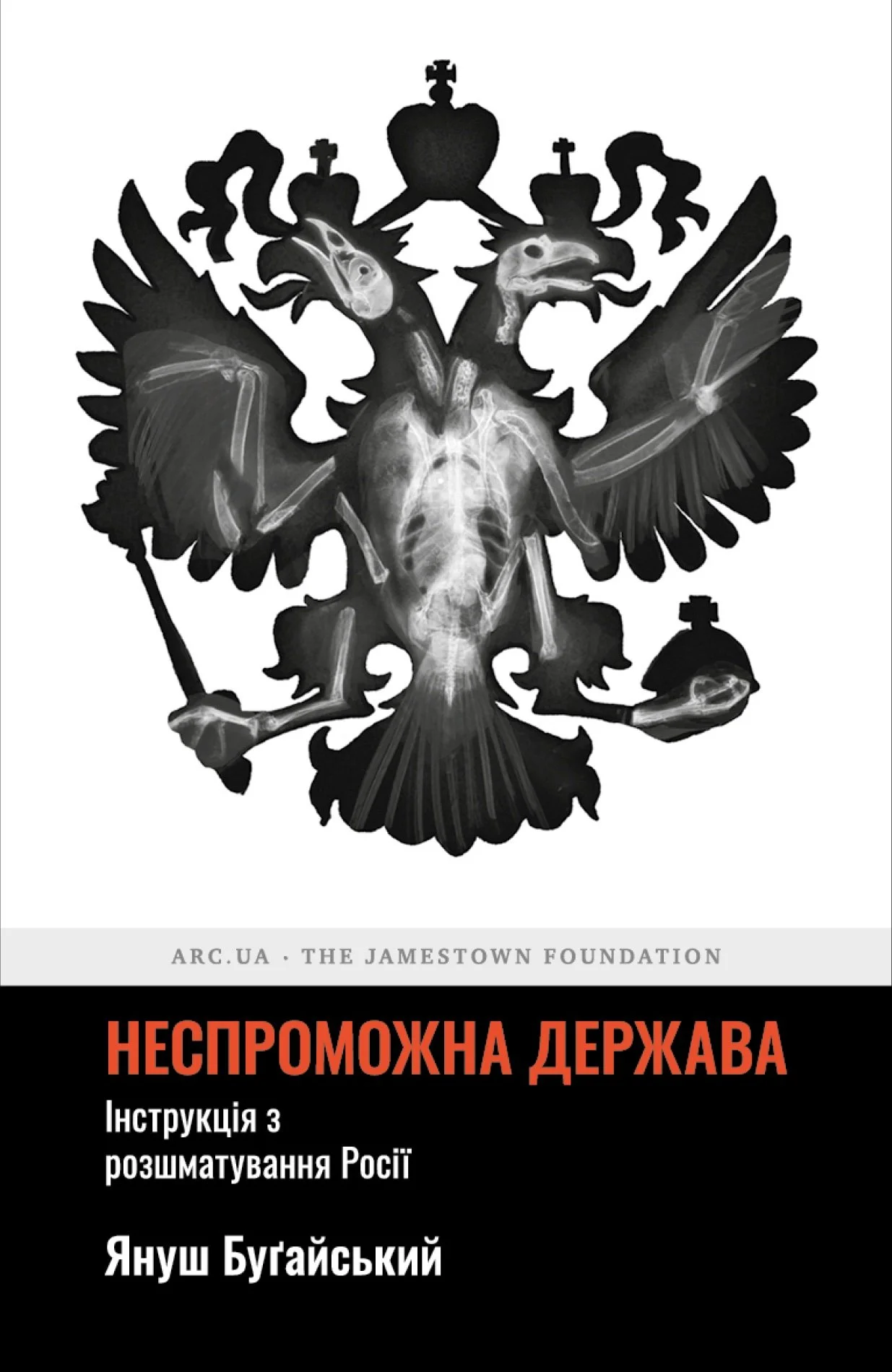
Неспроможна держава: Іструкція з розшматування Росії
Janusz Bugajski – Author
Maria Dubrova, Anna Melnychenko, Oleksandr Okhrimenko, Hanna Rak – Translators
Language of translation: Ukrainian
Publishers: Jamestown Foundation / ARC.UA
Language of translation: Ukrainian
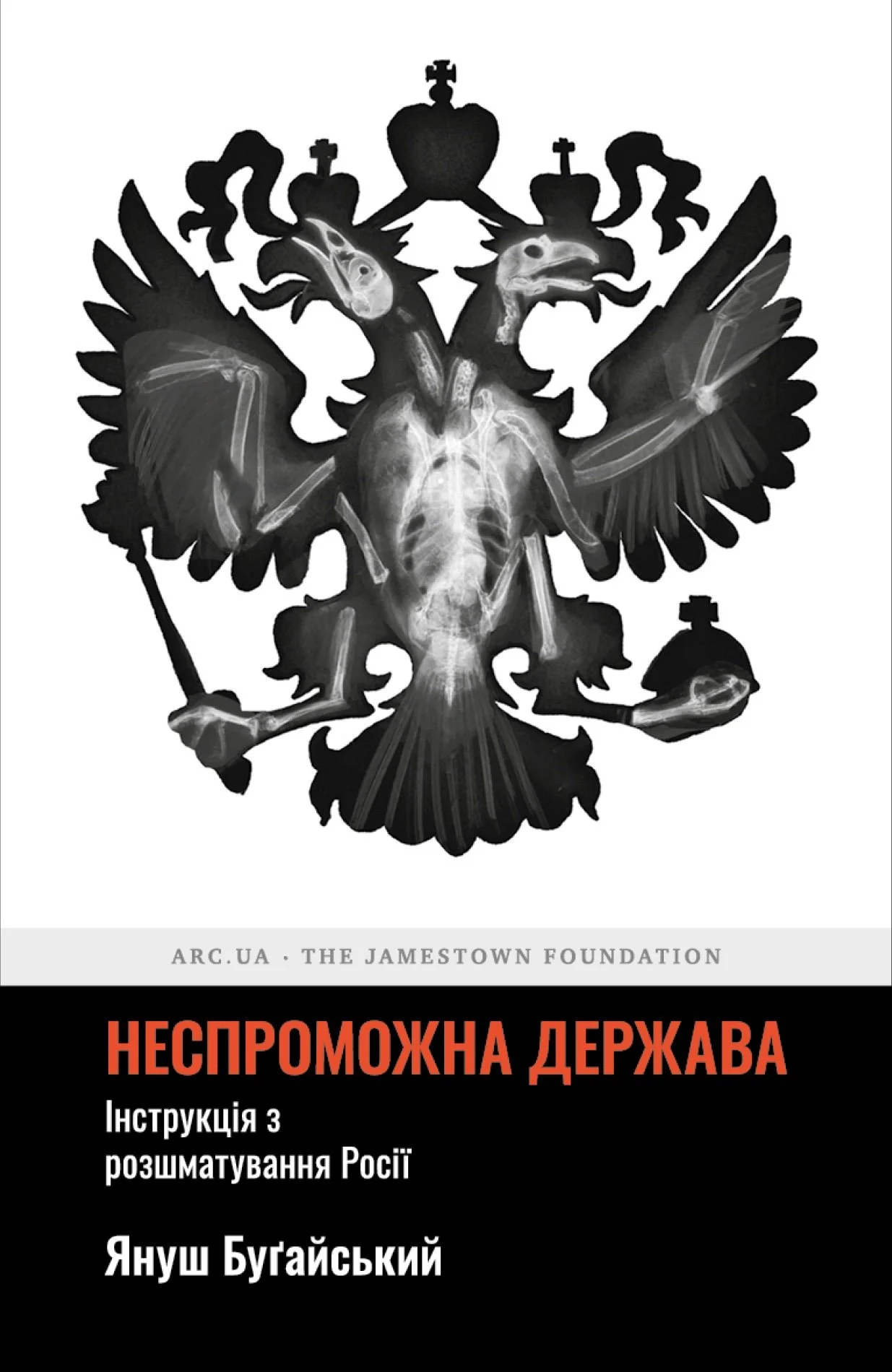
In this book, Janusz Bugajski argues that the Russian Federation is not a stable successor to the Soviet Union but a failed state confronting profound structural and political decay. After three decades of failed efforts to transform Russia into a nation-state, a civic polity, or a sustainable empire, the federation remains built on fragile historical foundations and lacks a shared national identity capable of uniting its population. Instead, Russia is defined by deep internal conflict—between nationalists, imperialists, centralists, liberals, and federalists—alongside growing tensions between Moscow and the country’s regions and ethnic republics.
Bugajski traces Russia’s accelerating state failure to a convergence of long-term pressures: economic stagnation, widening social and regional inequalities, demographic decline, entrenched corruption, personalist rule, institutional distrust, and the erosion of public faith in official propaganda. As repression intensifies to preserve central control under deteriorating conditions, the risk of violent rupture increases.
The book contends that Vladimir Putin, who rose to power promising to prevent Russia’s disintegration, may ultimately be remembered as the leader who presided over it. As Moscow’s authority weakens, new territorial entities and proto-states are likely to emerge, shaped by regional, ethnic, and political revivals. These successor entities will follow divergent paths—some forming new states, others experimenting with federal or confederal arrangements—while border disputes and regional instability remain likely.
Bugajski concludes by examining the international consequences of a fragmenting Russia and the strategic choices facing the United States and its allies. He argues that managing Russia’s rupture will require supporting regional self-determination, strengthening the security of neighbouring states, coordinating with major powers, and promoting transatlantic engagement with emerging post-Russian entities.
Award Archive
On Freedom

Про свободу
Timothy Snyder – Author
Halyna Herasym – Translator
Publisher: Crown Publishing / Choven Publishing House
Language of translation: Ukrainian
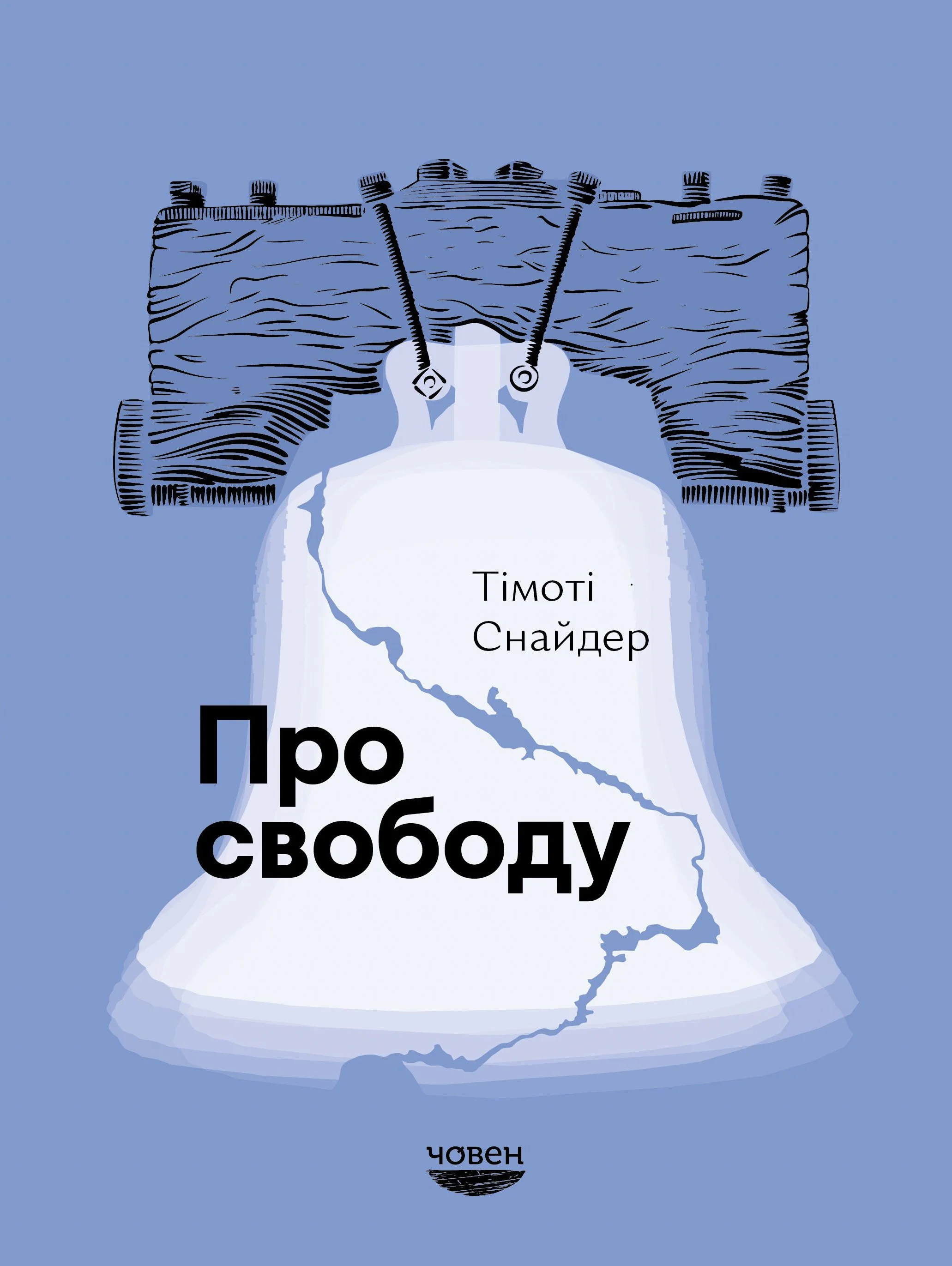
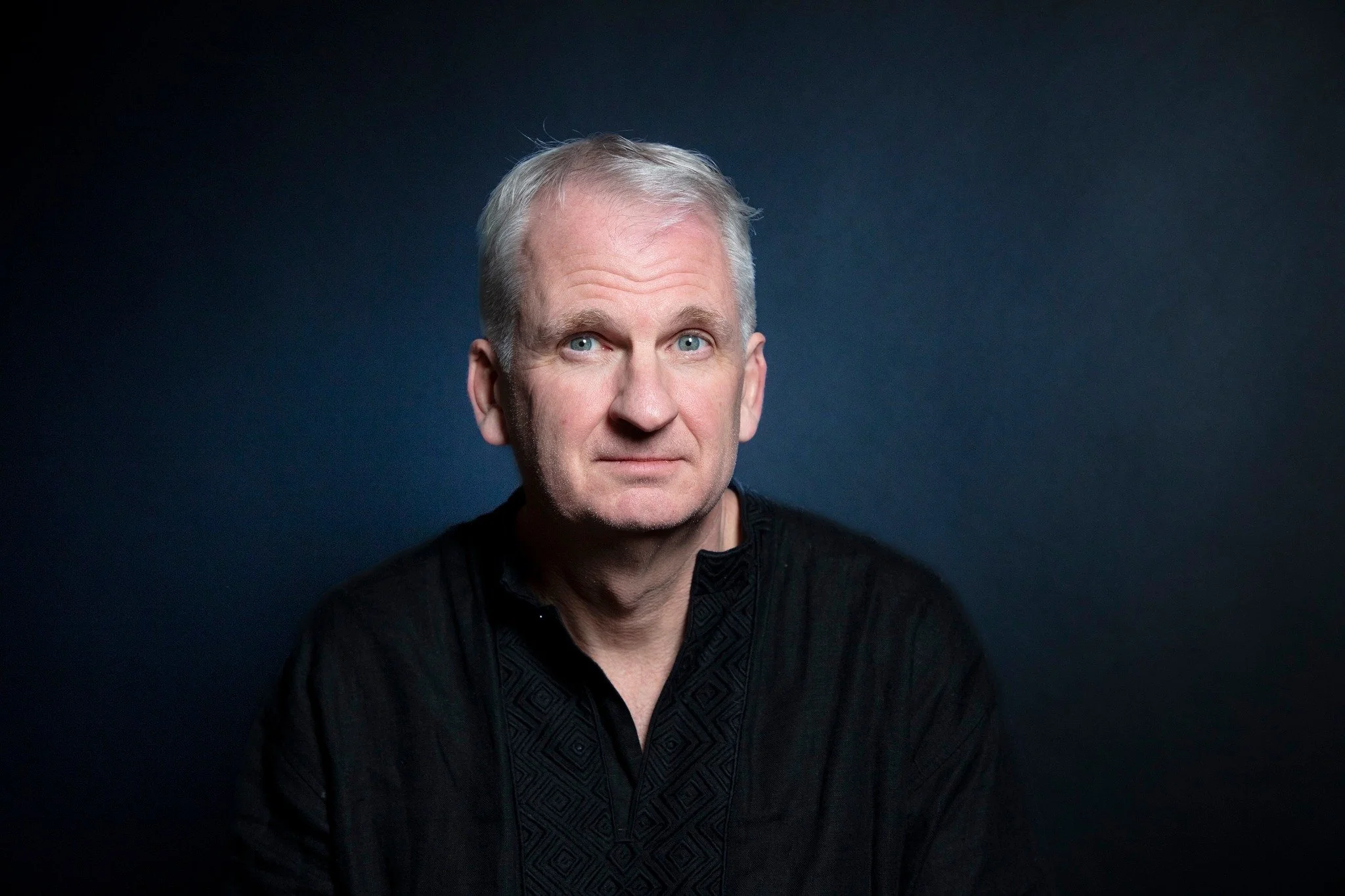
In his book On Freedom, Timothy Snyder examines one of the most invoked yet least understood ideals of modern political life. While freedom is often celebrated as a defining feature of democratic societies, Snyder asks a more fundamental question: what does it truly mean to be free, and how can freedom be sustained in an increasingly complex and fragile world? The 2025 Translated Book Award recognizes the Ukrainian-language edition of this important book.
Drawing on history, philosophy, and lived experience, the book challenges common misconceptions that reduce freedom to the absence of constraint or state interference. Instead, Snyder redefines freedom as a collective and ethical project—one that requires responsibility, solidarity, and the protection of human dignity. Through a series of vivid and deeply personal reflections, ranging from a maternity ward in Vienna to maximum-security prisons and war-torn Ukrainian cities, he illustrates how freedom is shaped, defended, and often endangered.
On Freedom confronts the central challenges facing contemporary societies, including the rise of authoritarianism, growing inequality, opaque digital systems, and climate change. Snyder argues that freedom is being steadily eroded by oligarchic power, unchecked technology, and political cynicism—and that reclaiming it demands conscious action and moral clarity. The book ultimately offers a compelling call to rethink freedom not as an individual possession, but as a shared responsibility that must be actively protected if it is to endure.