History of Ukraine-Rus’ Volume 2

2021 Grand Prix for Excellence in Translation

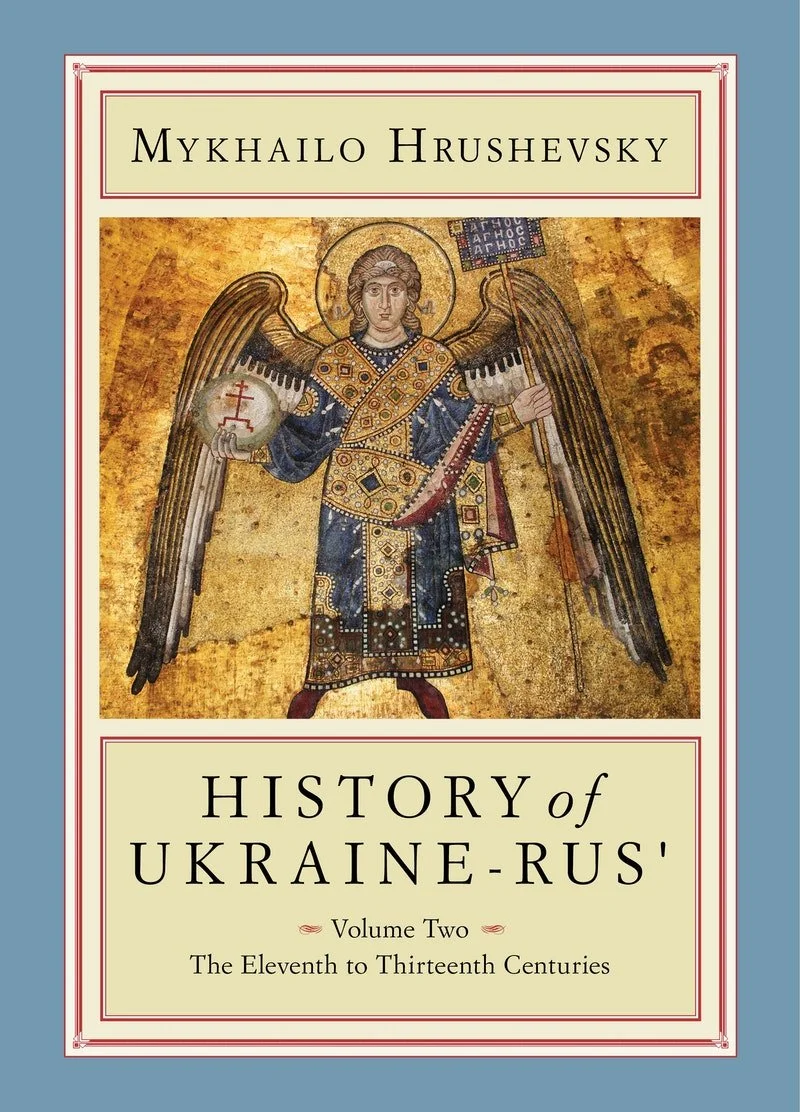
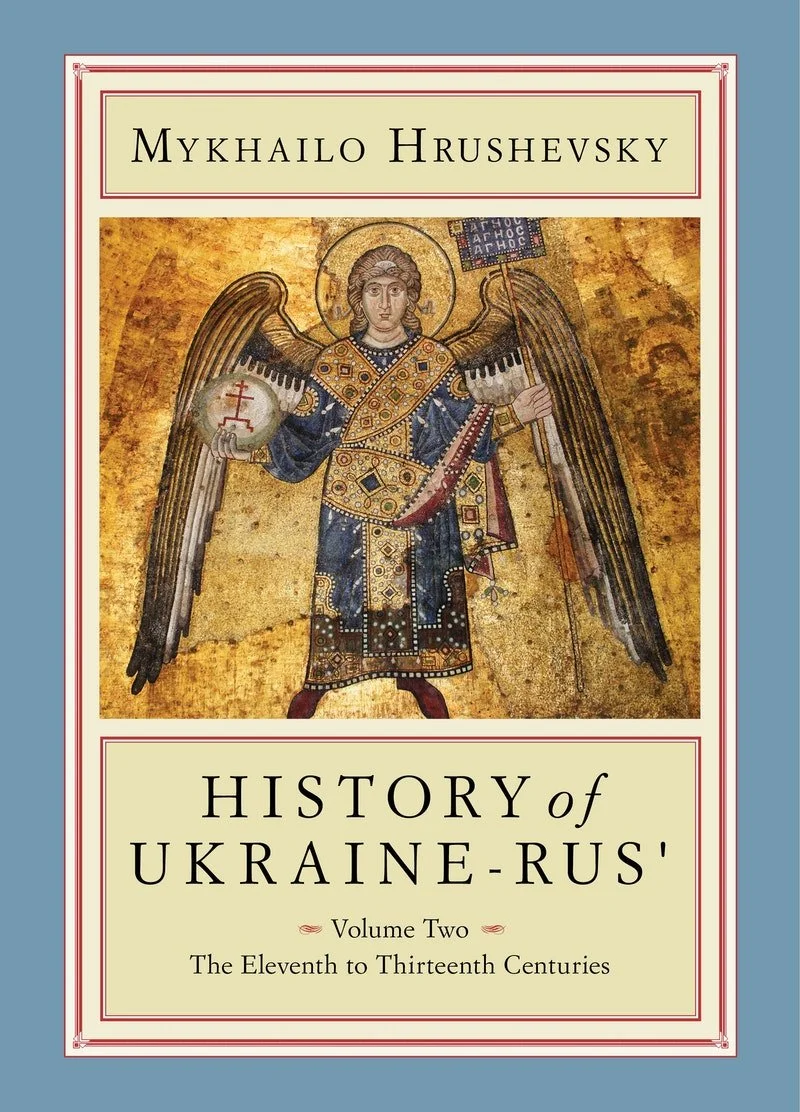
History of Ukraine-Rus’ Volume 2

Mykhailo Hrushevsky – Author
Ian Press – Translator
Tania Plawuszczak-Stech – Co-translator and Managing Editor
CIUS Press – Publisher
“The Grand Prix was awarded not only as an acknowledgement of the volume’s excellence in translation, but also in recognition of its exceptional importance in making Hrushevsky’s magnum opus accessible to a global audience.”

Hrushevsky’s History of Ukraine-Rus’ represented a seismic break from the Russocentric paradigm that had previously driven historiography. Russian imperial domination of political history had sought to entrench a narrative advocating a direct continuity between Rus’ and the Suzdalia-Muscovy-Russian Empire — an interpretation of medieval history that, for decades, Western scholarship had fully embraced. The content of Hrushevsky’s volume 2—especially its three chapters of political history covering the period from 1015 to 1252—was central to contesting the imperial legend that Russia was the direct political successor of the Kyivan-Rus’ state — a myth that Russia’s present-day political leadership continues to perpetuate. The fact that this monumental history is now available in English, guarantees that this historically significant work will forever be accessible to a worldwide scholarly audience.
Awards Archive

Road to Asmara

2021, Translation-in-Progress Grant Recipient

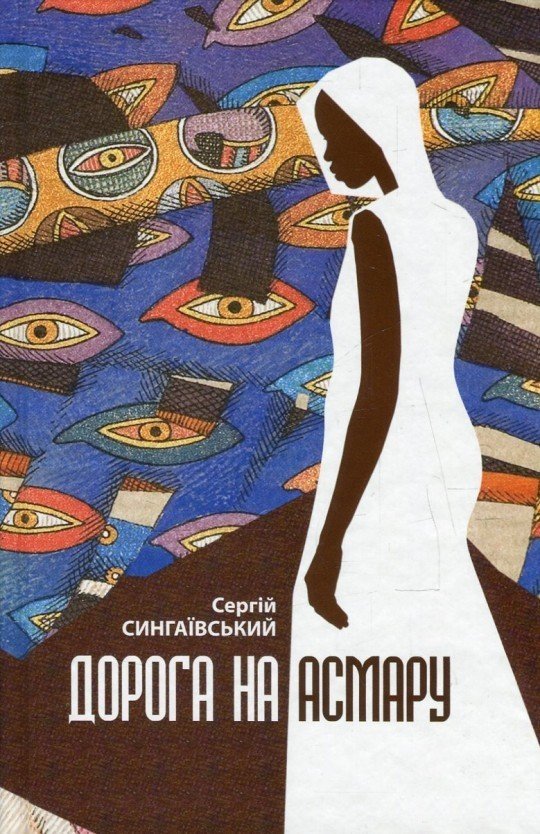
Road to Asmara 
«Дорога на Асмару» 

Author: Serhiy Synhaivsky
Translator: Ksenia Maryniak

About the project: In the words of Ukrainian writer, Oksana Zabuzhko: “Road to Asmara is the best book written in Ukrainian in the past decade. This book has a great future not only because it’s well written. It is essentially the first Ukrainian viewpoint on the history of the Soviet Union’s colonial wars in the 20th century. It has yet to reach the wider public, with the exception of the no-nonsense men who were forced into Soviet Army duty, if not in Afghanistan then other military arenas […] where our boys got sent as cannon fodder in those ‘glorious’ times. And this is precisely the contribution that Ukrainian literature is called upon to make in the world. European journalists I know, who’ve heard there’s a Ukrainian novel written about the 1984–86 famine in Ethiopia, have asked me when the English translation is coming out so that they can read it.”

In the words of a recent review by Ihor Siundiukov: “As with any true and personal story that takes place during a period of transition, the many issues raised by this novel are still relevant today. Some of them are unfamiliar, if not unprecedented, in Ukrainian literature: Soviet racism, the price of independence and personal freedom, individual responsibility and commanding officers’ responsibility, and whether love has any chance at all in this world…”

Awards Archive

In Isolation. Dispatches from Occupied Donbas

2021, Translation-in-Progress Grant Recipient

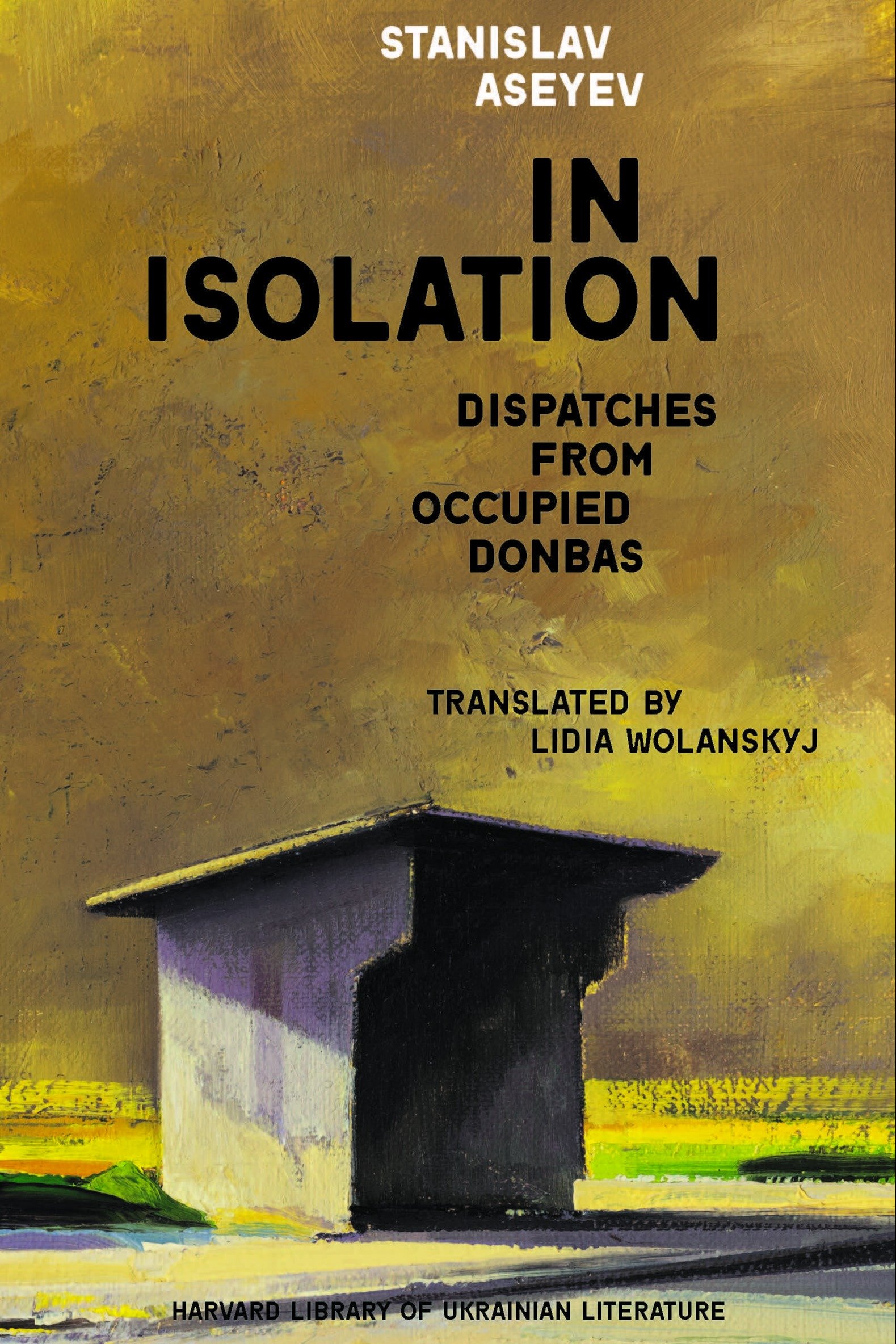
In Isolation. Dispatches from Occupied Donbas 
«В Ізоляції. Дописи про Донбас »

Author: Stanislav Aseyev
Translator: Lidia Wolanskyj

About the project: In this exceptional collection of dispatches from occupied Donbas, writer and journalist Stanislav Aseyev details the internal and external changes observed in the cities of Makiïvka and Donetsk in eastern Ukraine. Aseyev scrutinizes his immediate environment and questions himself in an attempt to understand the reasons behind the success of Russian propaganda among the working-class residents of the industrial region of Donbas.

Aseyev’s documentary prose takes place during the 2015-2017 years of Russia’s military aggression in eastern Ukraine. The author’s testimony ends with his arrest for publishing his dispatches and his subsequent imprisonment and torture in a modern-day concentration camp on the outskirts of Donetsk run by lawless mercenaries and local militants with the tacit approval and support of Moscow. For the first time, an inside account is presented here of the toll on real human lives and civic freedoms that the citizens of Europe’s largest country continue to suffer in Russia’s hybrid war on its territory.

Stanislav Aseyev received the 2021 Shevchenko National Prize for Journalism for this book — Ukraine’s highest recognition in culture and the arts.

The book is expected to be published by the Ukrainian Research Institute at Harvard University in 2022.

Awards Archive

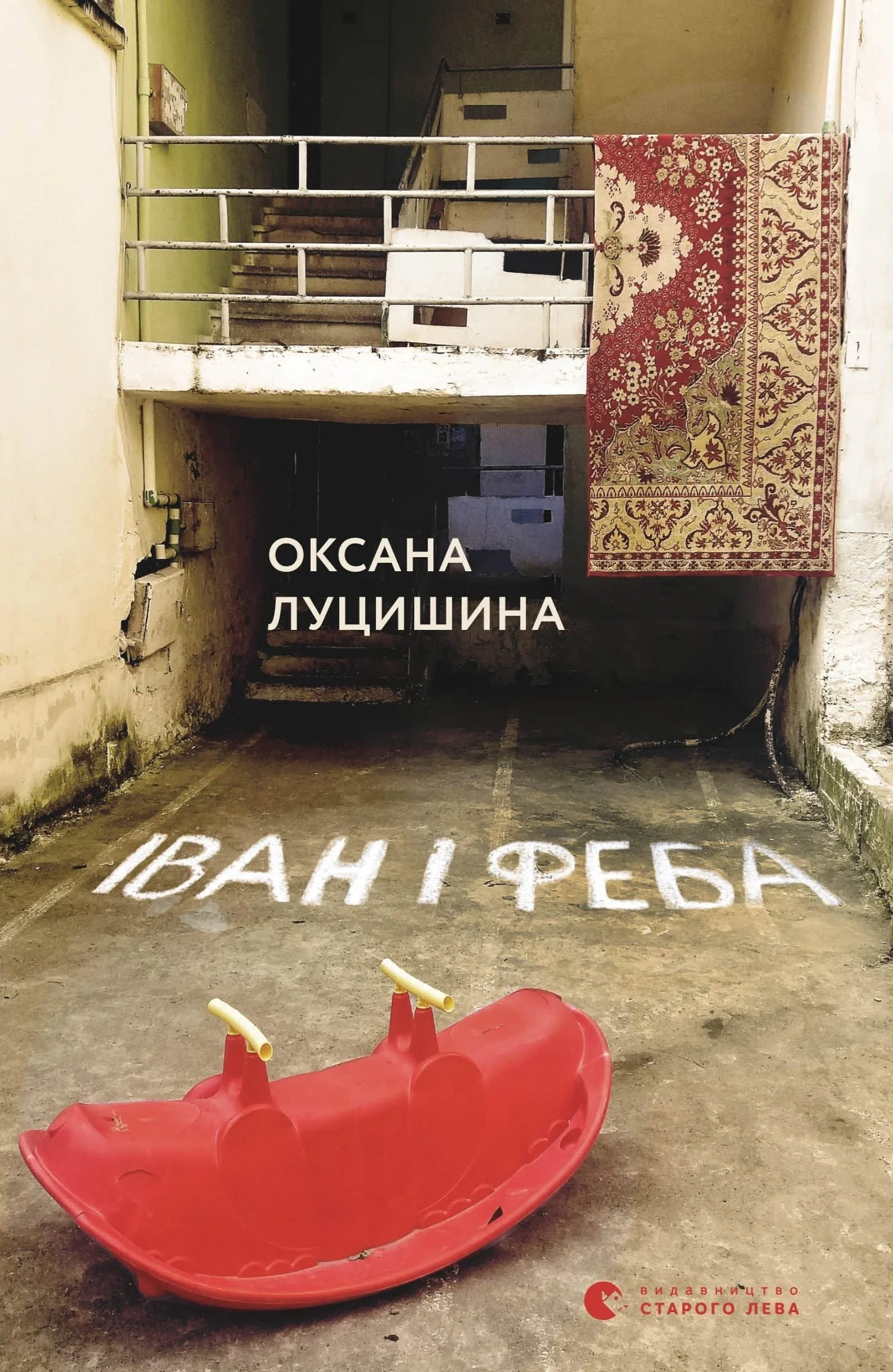
Ivan and Phoebe

2021, Translation-in-Progress Grant Recipient

Ivan and Phoebe 
«Іван і Феба»

Author: Oksana Lutsyshyna
Translator: Nina Murray

About the project: “Ivan and Phoebe” won Ukraine’s Taras Shevchenko National Prize for Literature in 2021. The novel chronicles the lives of several young people involved in the Revolution on the Granite in 1990. The story is set in Uzhgorod, Kyiv and Lviv. As the characters come to exercise their rights to free speech and protest, something that their upbringing absolutely had not prepared them to do, they must also re-evaluate the norms of marriage, family, and home life. While these initially appear to be spaces of peace and harmony, they are soon revealed to be hot beds of conflict and multigenerational trauma.

“Ivan and Phoebe” is an epic novel (projected 120,000 in English) with a solid historical foundation. The translation requires intense engagement not only with the narrative voice, but also with unique and dialectical speech of many characters and historical facts.

Awards Archive

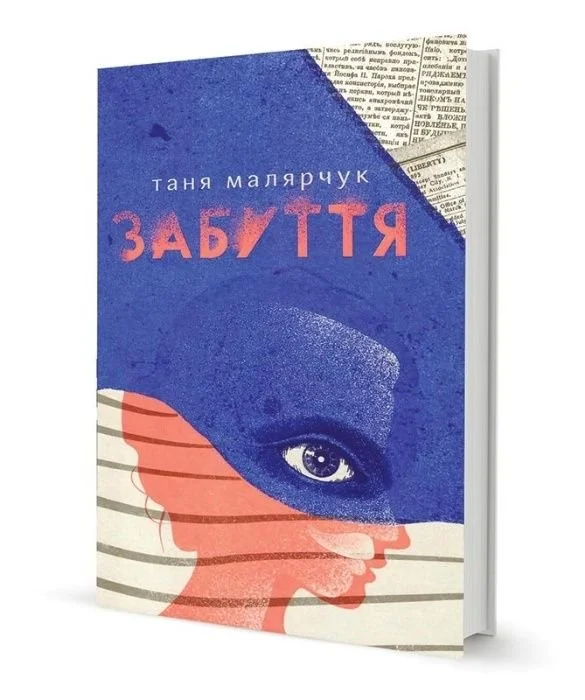
Forgottenness

2021, Translation-in-Progress Grant Recipient

Forgottenness 
«Забуття» 

Author: Tanja Maljartschuk
|Translator: Zenia Tompkins

About the project: Published in Ukraine by Old Lion Publishing in 2016, Tanja Maljartcshuk’s Forgottenness («Забуття») was the winner of the BBC Book of the Year Award. This literary, psychological, and historical novel, written in hauntingly sparse and deliberate prose, chronicles the mental and emotional journey of a young Ukrainian woman searching through her nation’s past for footprints to guide her through the present. The narrator, a young author, finds her life spiralling downward through a series of progressively less successful relationships until she is teetering on the verge of psychosis. She discovers unexpected solace and companionship in the unlikely figure of Vyacheslav Lypynsky (1882-1931), an unsung Ukrainian social and political activist of Polish descent, whose life is artfully tied with that of the narrator throughout the book. Thought-provoking digressions concurrently tell the story of multiple generations of the narrator’s family against the historical backdrop of twentieth-century Ukraine. As the narrator grasps at sanity, she simultaneously grasps at aspects of her nation’s history to keep them from slipping into oblivion. Complex in both content and structure, Forgottenness defies a nation’s Soviet-imposed memory of rootlessness by exploring the burden of a collective memory built on fear, obedience, and forgetting.

The book will be published by Liveright, the fiction imprint of W. W. Norton & Company.

Awards Archive

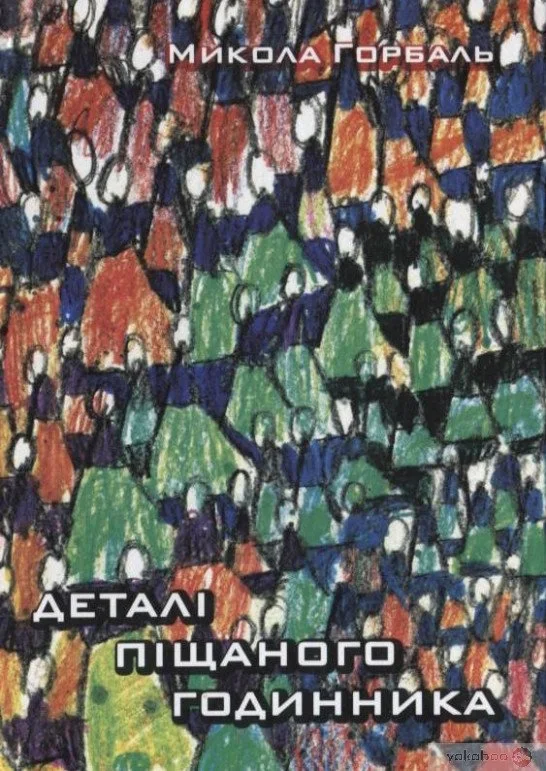
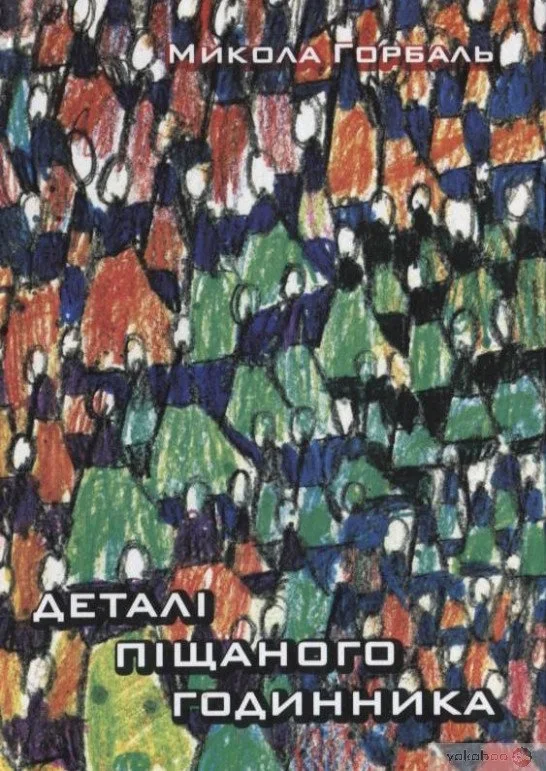
Details of an Hourglass

2021, Translation-in-Progress Grant Recipient

Details of an Hourglass 
«Деталі піщаного годинника»  

Author: Mykola Horbal
Translator: Myroslava Stefaniuk

About the project: This is a translation of poems and song lyrics written by Mykola Horbal — a poet, musician, and human rights activist, who was repressed by the totalitarian Soviet regime and imprisoned three times in the Gulag for “anti-Soviet agitation and propaganda.” Relatively unknown outside of Ukraine, Horbal’s poems, published in Ukraine in 2008, are a unique example of creativity and fortitude in captivity and deserve their rightful place among the writings that laid the foundations for the modern Ukrainian national renaissance and independence, and paved the way for contemporary Ukrainian literature. 

As a political prisoner, Horbal spent sixteen years in the camps of the Soviet Gulag, where he suffered harsh labour, deprivation, and humiliation. His miniature poem-reflections chronicle this anti-world. The verses are brief and terse with multi-layered metaphors. Alongside anger, emptiness, irony, and absurdity, the poet juxtaposes beauty, hope and faith. Horbal describes his cruel reality as a “freeing spiritual journey”. He distances himself from falsehood, servility, and despair, by seeking solace and peace in his inner world, in universal truths, nature and in God’s grace. 

While the old Soviet system has collapsed, this collection of poetry shows the reader that bearing witness to that past is vital, because repression of human rights continues, using subtle and sophisticated methods. Horbal’s poetry is an aphoristic testament to his belief that you can imprison the body but not the human spirit.

Awards Archive

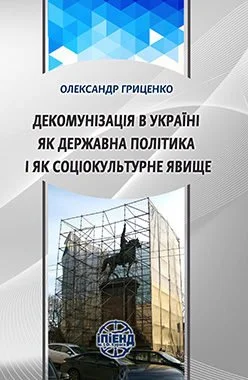
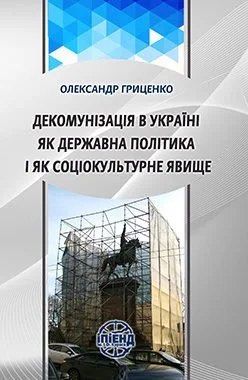
Decommunization in Ukraine

2021, Translation-in-Progress Grant Recipient

Decommunization in Ukraine as a Public Policy 
and a Cultural Phenomenon
«Декомунізація в Україні як державна політика і як соціокультурне явище»

Author: Oleksandr Hrytsenko 
Translator: Ksenia Maryniak

About the project: Originally published in 2019 by the Kuras Institute of Political and Ethnic Studies of the National Academy of Sciences of Ukraine, Oleksandr Hrytsenko’s monograph is rich in both primary and secondary sources, providing a broad and comprehensive view of Ukraine’s politics of decommunization in the context of social, political, and cultural transformations in the post-totalitarian and, in some respects, postcolonial country. As a leading Ukrainian expert on cultural politics and the politics of memory, history, and shifting societal values, norms, and attitudes, he is fully aware of the many controversies surrounding the topic and keeps a delicate balance of academic impartiality. The publication of this English edition detailing Ukraine’s “decommunization” process, will be the first exhaustive study in the West in book form.

Awards Archive

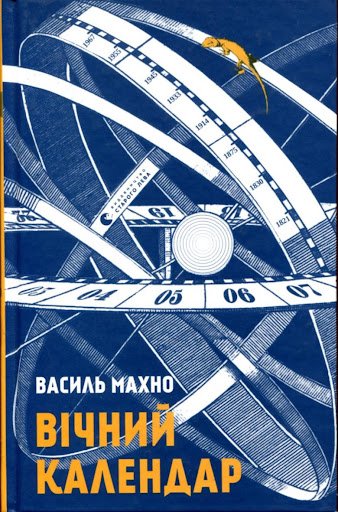
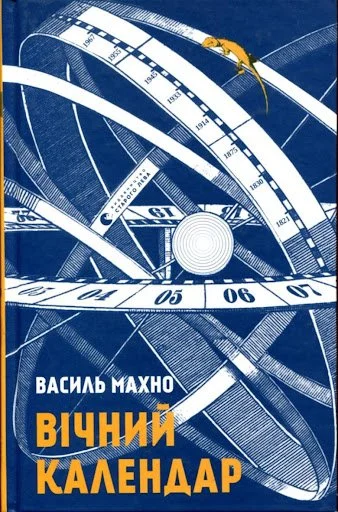
Eternal Calendar

2021, Translation-in-Progress Grant Recipient

Eternal Calendar «Вічний календар»

Author: Vasyl Makhno
Translator: Ali Kinsella

About the project: With narratives that move back and forth from the 17th century to the present, Vasyl Makhno’s Eternal Calendar layers local, Ukrainian history onto global histories. Various ethnic groups come together and interact in the delineated space of a small town in what the author calls the “Brownian motion of history.” Through the Barevych and Wolanski families (and eventually the resettled Mekhamets), Eternal Calendar turns a lens to the uninterrupted multiculturalism of Western Ukraine’s Galicia. Over the course of the novel, the region experiences every manner of foreign occupation: from Ottoman rule, to Austria-Hungary, interwar Poland, the Soviet Union, and ultimately independent Ukraine. In some respects, it is the village of Mytnytsia that becomes the main character, welcoming a host of visitors. By focusing on one corner of the earth, while moving from the year 5426 since the creation of the world, to the middle of WWI, to the end of Stalinism, Makhno takes the concept of linear time, jumbles it up, and lays it back on top of itself. The effect is to make the reader consider space and time in new ways, not as an endless progression from one point to another, but in a fractured way that is closer to real memory and experience. 

Eternal Calendar was the winner of the 2020 Encounter: Ukrainian-Jewish Literary Prize.

Awards Archive

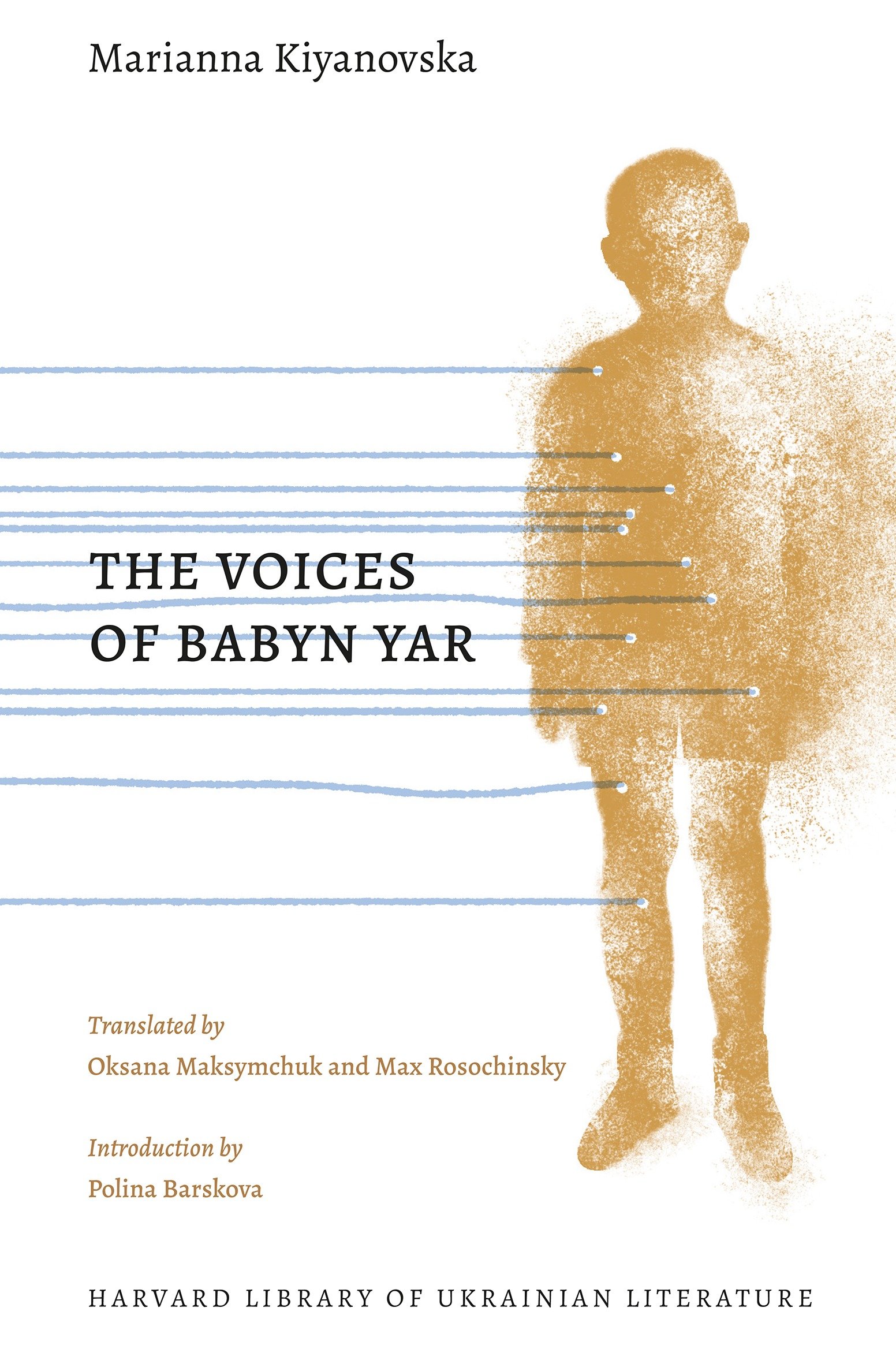
Voices of Babyn Yar

2021, Translation-in-Progress Grant Recipient

Voices of Babyn Yar «Бабин Яр. Голосами»

Author: Marianna Kiyanovska
Translators: Oksana Maksymchuk, Max Rosochynsky

About the project: This is a translation of Marianna Kiyanovska’s book of poetry The Voices of Babyn Yar, which was awarded Ukraine’s highest literary state prize in 2020, the Shevchenko National Prize for Literature. Originally published in Kyiv by Dukh i Litera in 2017, the book represents the first stand-alone volume of translations of Kiyanovska’s poetry into the English language. It is the first book-length attempt by a Ukrainian poet to honor the victims of the Holocaust in Ukraine. Artful and carefully intoned, the poems present what ordinary civilians experienced from a first-person perspective to an effect that is simultaneously immersive and estranging. It memorializes the experiences of members of a group betrayed by the larger community of which they are part, abandoned by the state, and failed by institutions. Conceived as a tribute to the fallen, the book also raises challenging questions about memory, responsibility, and honoring those who witnessed an unbearable evil.

The book is expected to be published by the Ukrainian Research Institute at Harvard University in 2022.

Awards Archive