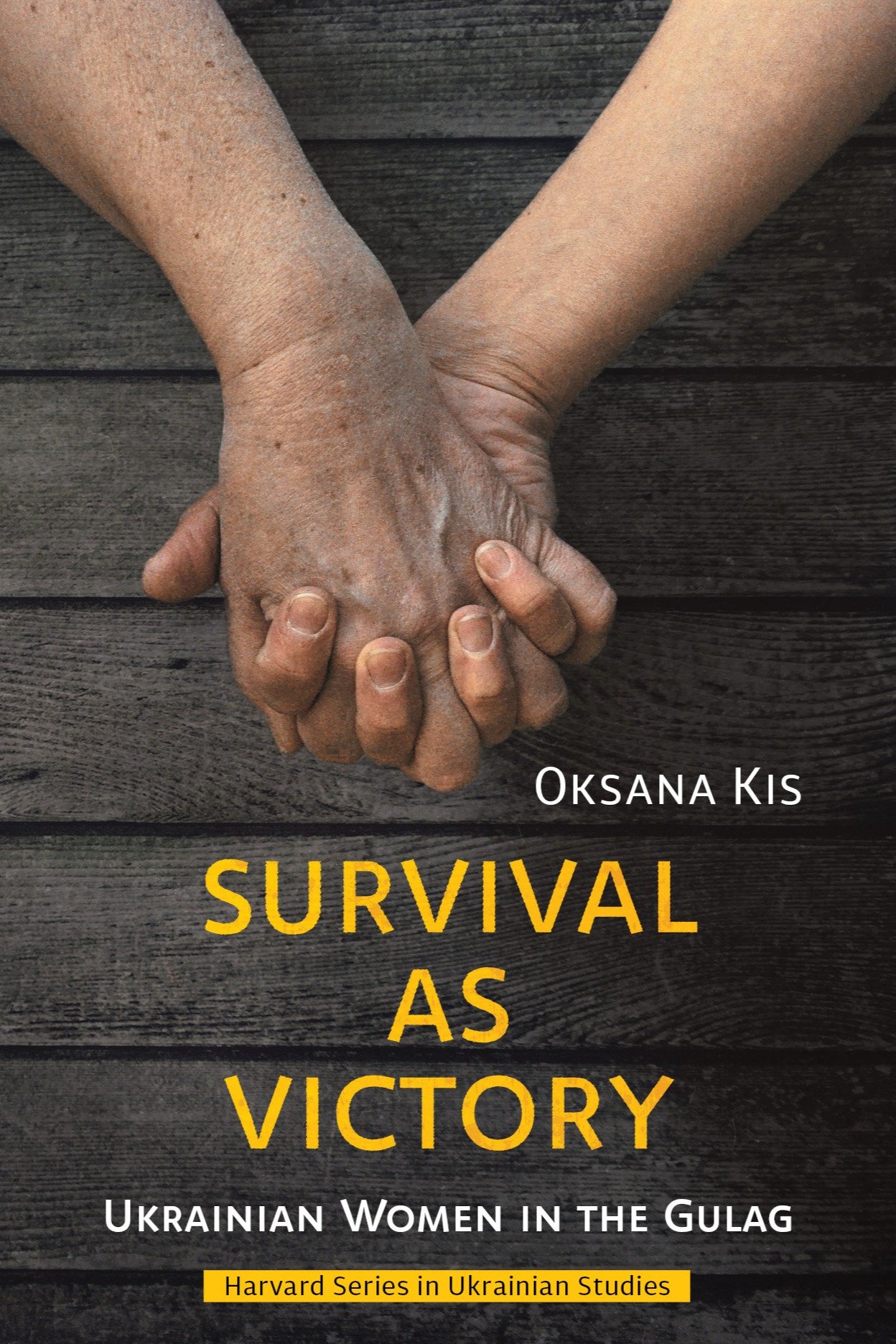
Translated from the original Ukrainian into English
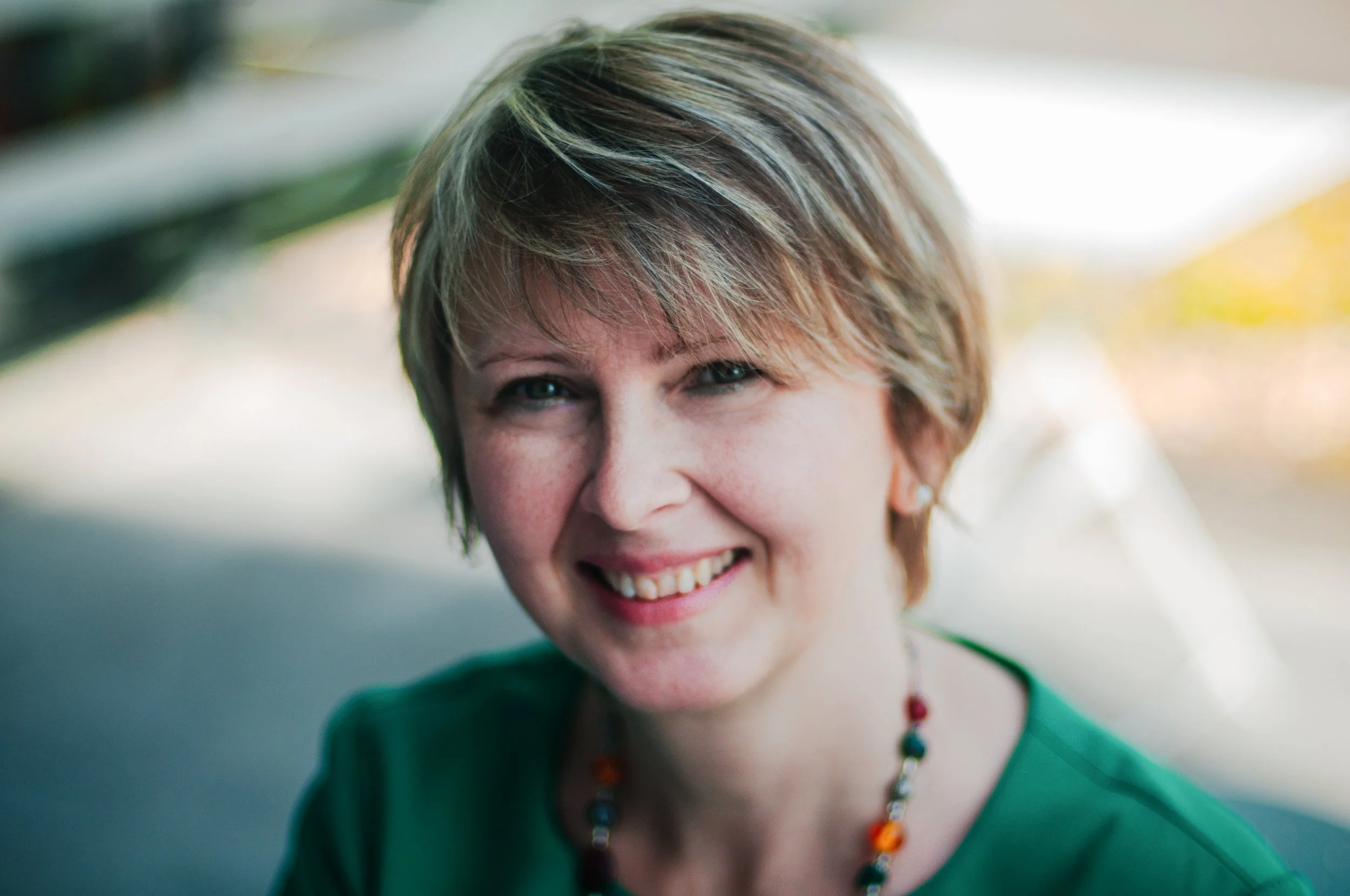
Oksana Kis – Author Lidia Wolanskyj – Translator Harvard Ukrainian Research Institute Publications – Publisher
“In recognition of this book’s contribution to women’s history and the field of Gulag studies, presented through a rarely explored aspect of Soviet history — the story of Ukrainian female prisoners incarcerated in Stalin’s camps.”
This groundbreaking book showcases an overlooked chapter in the history of Stalin’s notorious Gulag —the untold story of the hundreds of thousands of Ukrainian women arrested, sentenced, and imprisoned in the vast network of Soviet labour camps. Relying on a rich collection of over 150 memoirs, the book tackles every aspect of repression in the Gulag system and captures the experiences, resistance, and survival of these politically active women and the many ways they sought to overcome the most brutal and dehumanization conditions.
Translated from the original Ukrainian into English
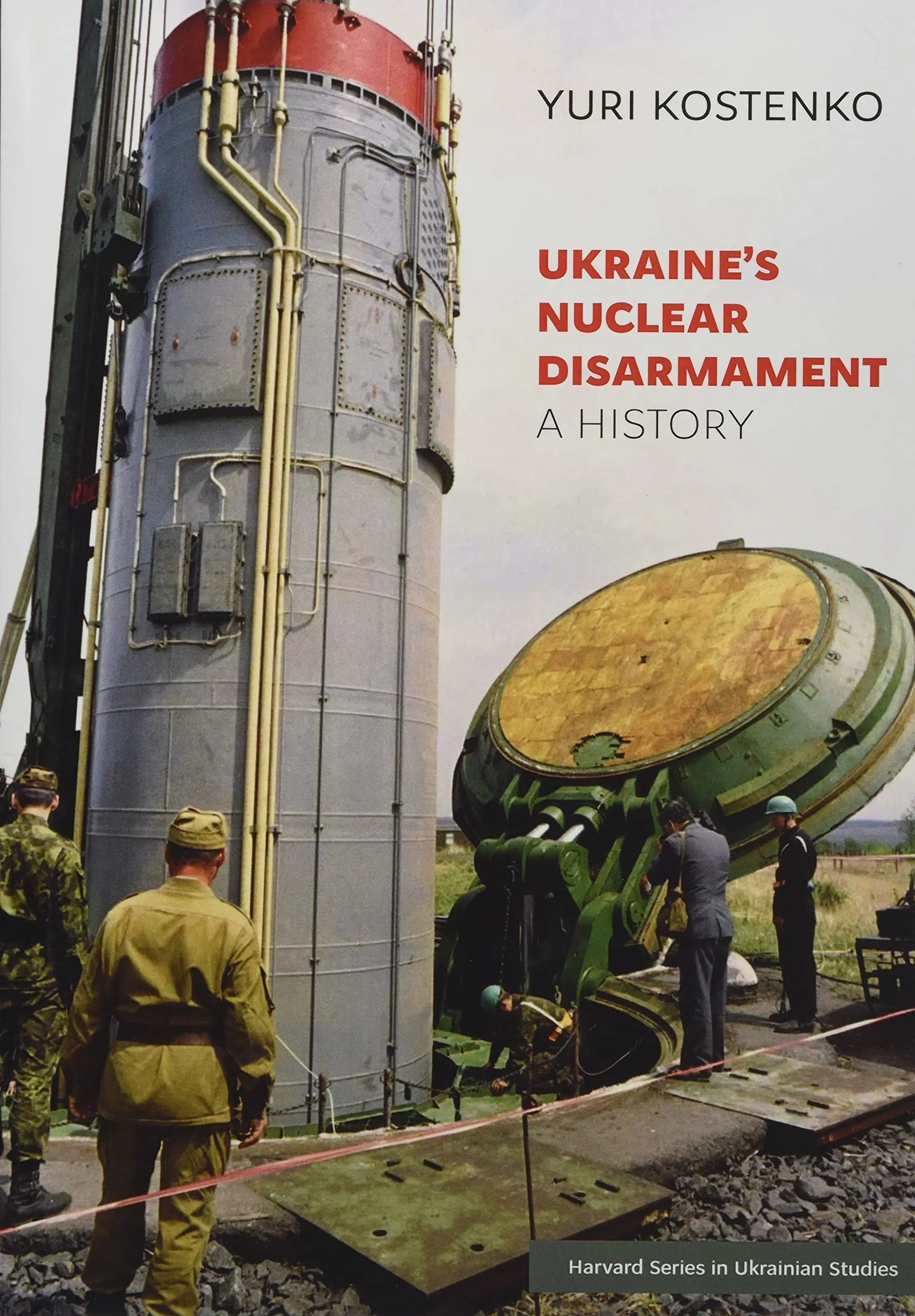
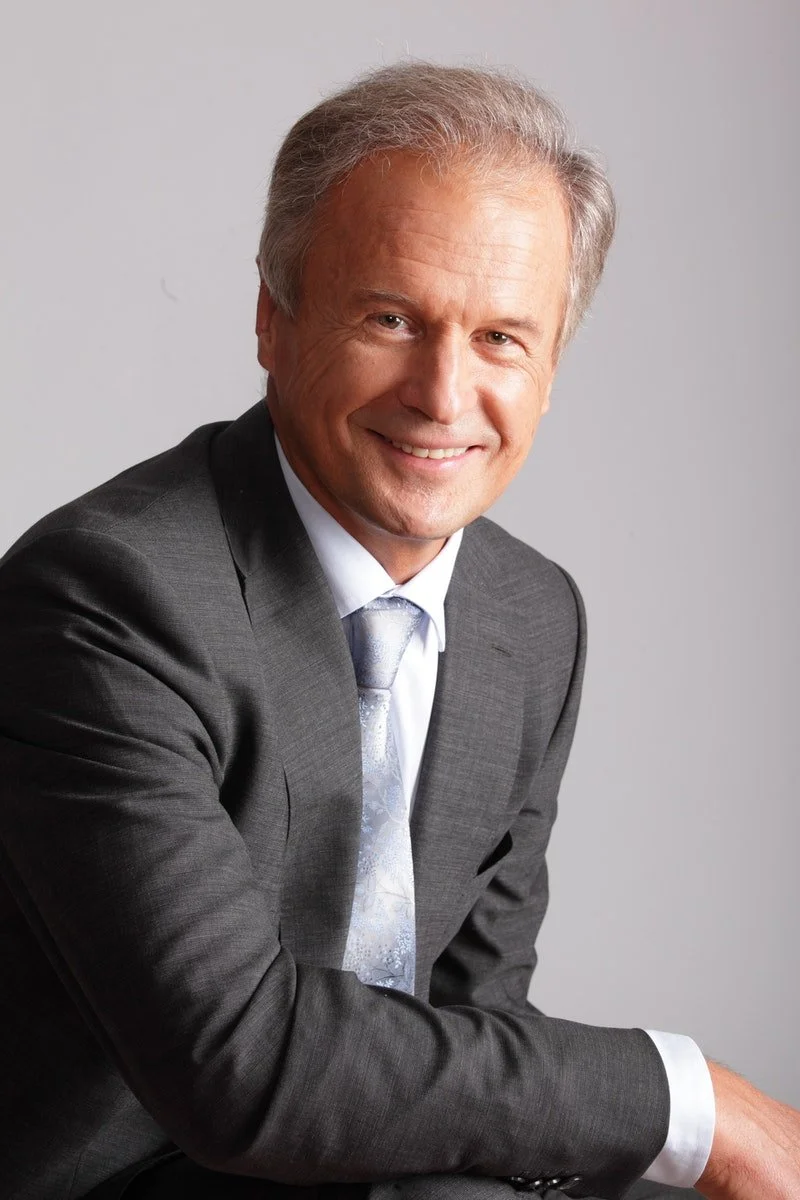
Yuri Kostenko – Author Svitlana Krasynsky, Lidia Wolanskyj, Olena Jennings – Translators Harvard Ukrainian Research Institute Publications – Publisher
“In recognition of its historical documentary value and present-day relevance, providing insight into Ukraine’s post-Soviet disarmament process, debunking myths promoted by Russia, and exposing critical strategic errors made by the West.”
In December 1994, Ukraine gave up the third-largest nuclear arsenal in the world and signed the Non-Proliferation Treaty, having received assurances that its sovereignty would be respected and secured by Russia, the United States, and the United Kingdom. Written by former Ukrainian presidential candidate, former Environment Minister, parliamentarian, and pro-democracy activist Yuri Kostenko, and based on original and heretofore unavailable documents, the book offers an insider’s view of the domestic and foreign actors that played key roles during Ukraine’s disarmament process. In the aftermath of Russia’s forced annexation of Crimea, invasion of eastern Ukraine, and repeated attempts to destabilize Europe by threatening new military incursions into Ukraine, this book provides relevant insight into mistakes made during the denuclearization process and the strategic importance of Ukraine as a key player in global security.
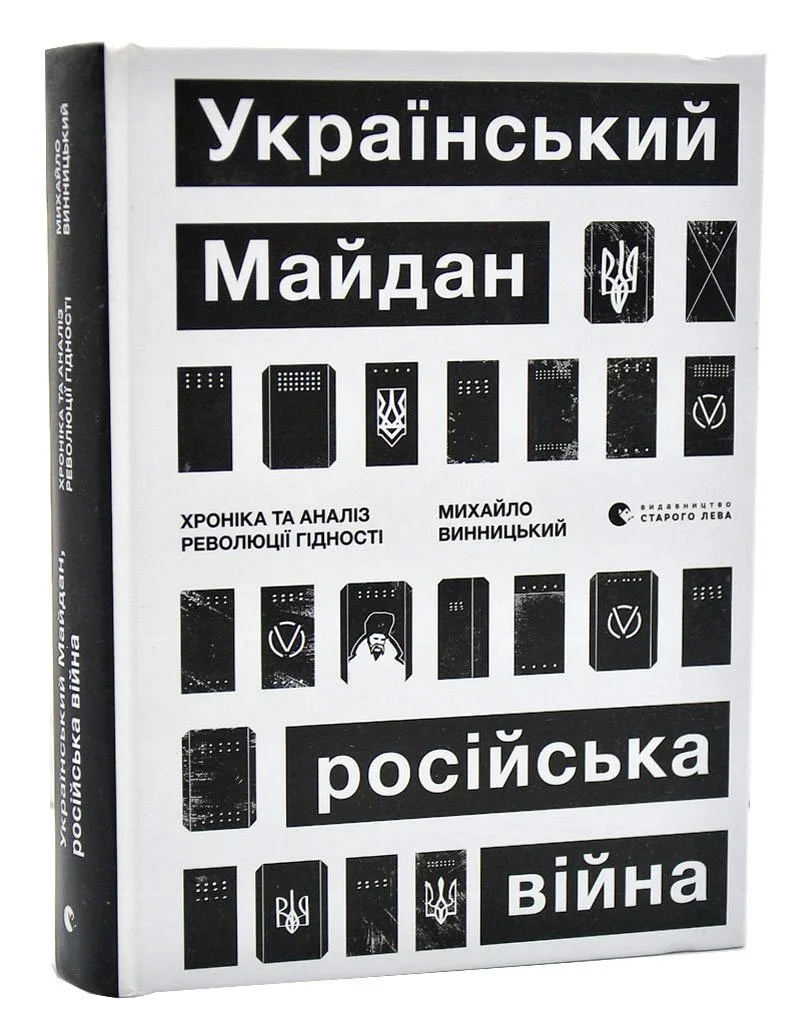
Український Майдан, російська війна. Хроніка та аналіз Революції Гідності (Ukraine’s Maidan, Russia’s War. A Chronicle and Analysis of the Revolution of Dignity)
Translated from the original English into Ukrainian
Mychailo Wynnyckyj – Author Roman Klochko – Translator Видавництво Старого Лева (Old Lion) – Publisher
“In recognition of this book’s contribution to a better understanding of one of Ukraine’s most consequential modern social movements — the Revolution of Dignity.”
In this book, the Canadian-born scholar Mychailo Wynnyckyj interprets the fate of the Ukrainian Revolution of Dignity as a turning point, not only in the modern history of Ukraine, but, in fact, in the history of Western civilization. It is a very positive development that the book’s unique analysis, once only available to English readers, is now accessible to a Ukrainian audience.
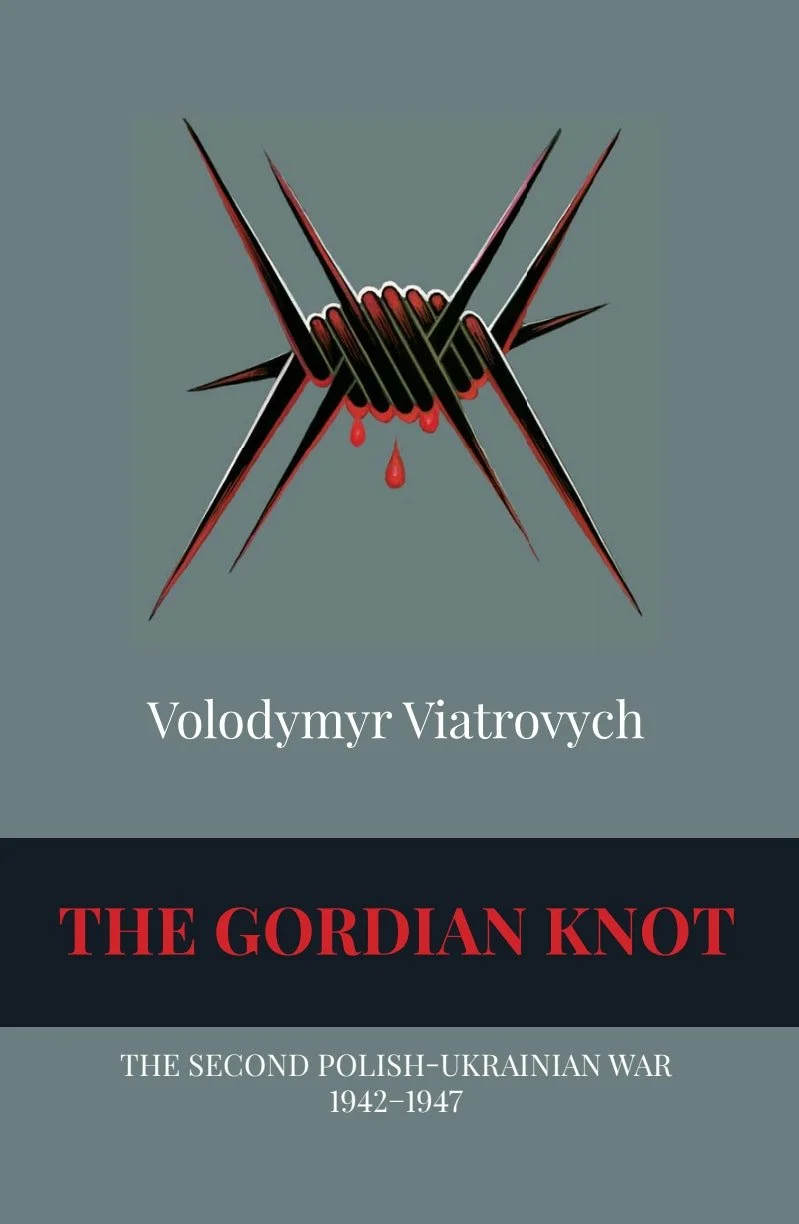
The Gordian Knot: The Second Polish-Ukrainian War. 1942-1947
Translated from the original Ukrainian into English
Volodymyr Viatrovych – Author Ksenia Maryniak – Translator Published by Horner Press – Publisher
“In recognition of this book’s advancement of new research and analysis, from a Ukrainian viewpoint, of a historically sensitive period in Ukrainian-Polish relations, which will no doubt help generate future academic discussions on this topic.”
Translated from the second edition of the original work published in 2012 by the University of Kyiv Mohyla Academy Publishing House, the 2020 translation attempts to provide a broader historical context to a wider Polish-Ukrainian civil war that was not rooted in one event, namely 1943 Volhynia, but rather began in 1942 and ended in 1947.
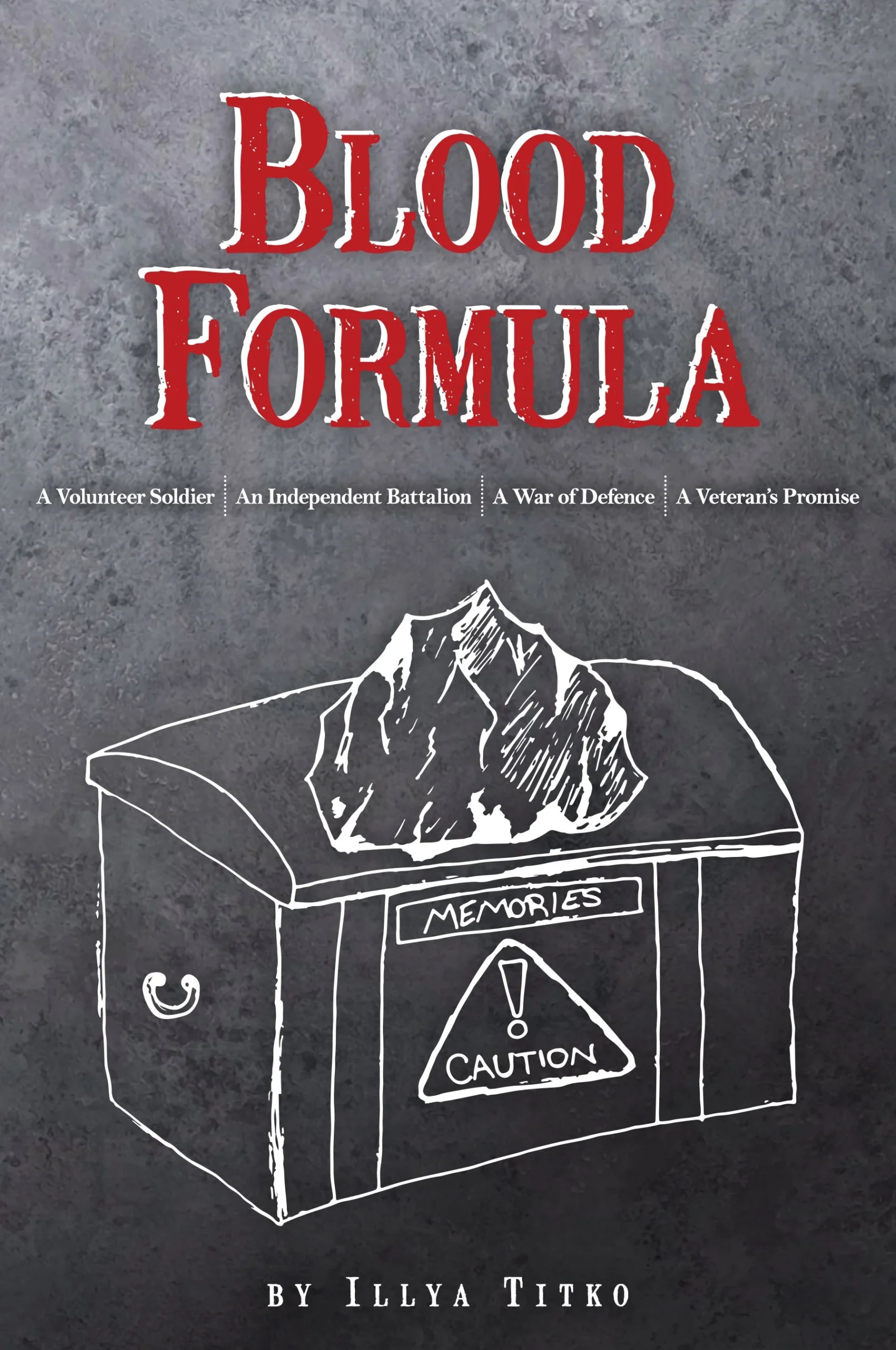
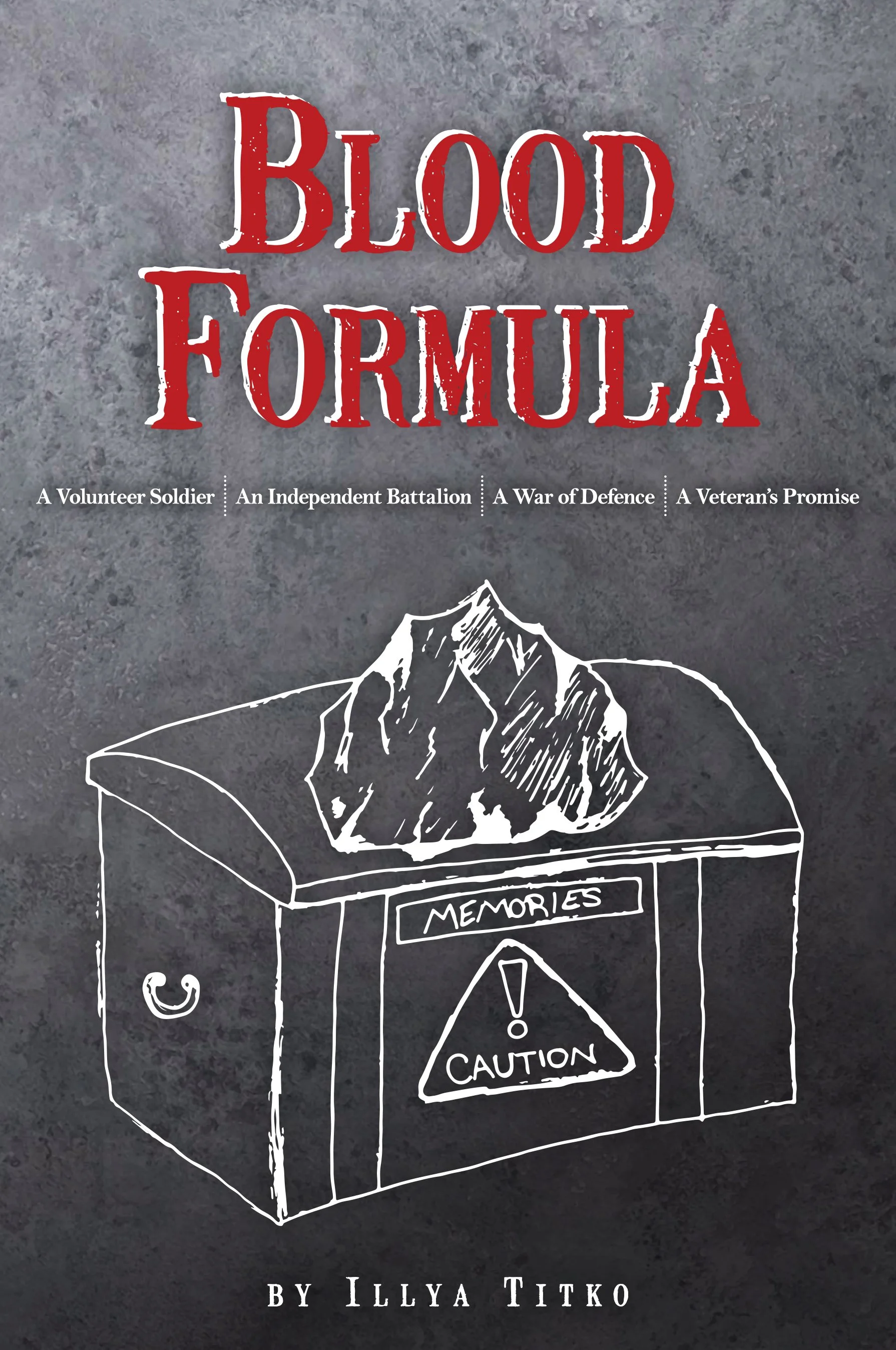
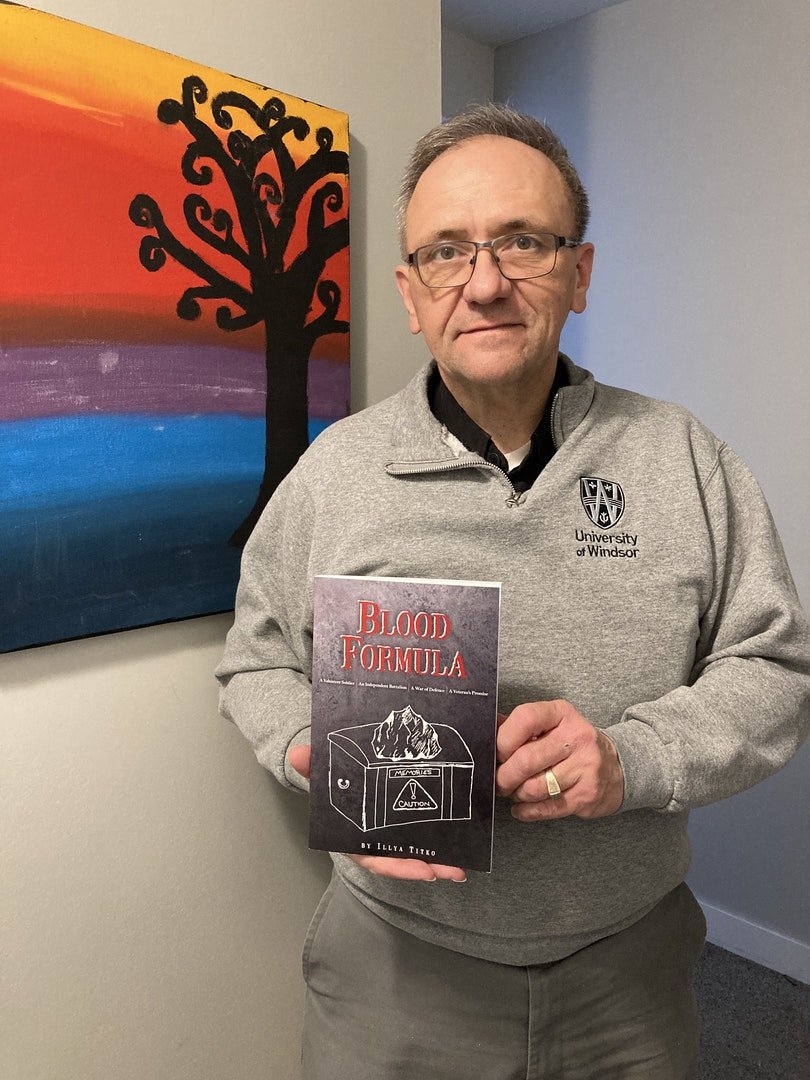
“In recognition of this book’s value as the English-language personal memoir of a volunteer recruit deployed to the frontlines of the current Russian-Ukrainian war.”
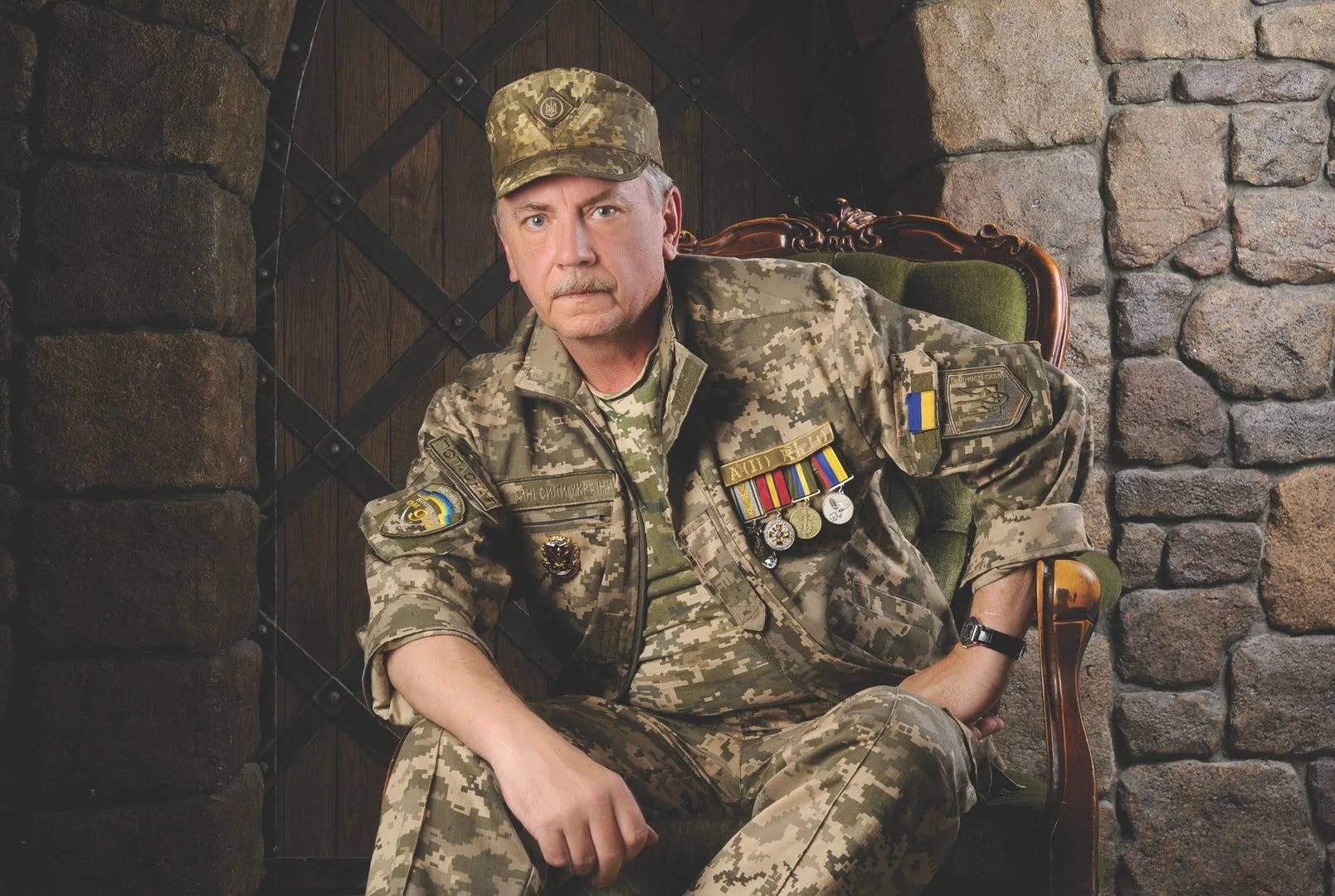
The story of Senior Lieutenant Illya Titko’s service in one of Ukraine’s motorized infantry brigades, conveys what it’s like to go to war, and how to find the strength to live with the emotions and memories that haunt you. The book’s value lies in its mission to help all of us to understand the experiences of the people, the country, and the individuals who, like Illya Titko, followed the path of defending their country.
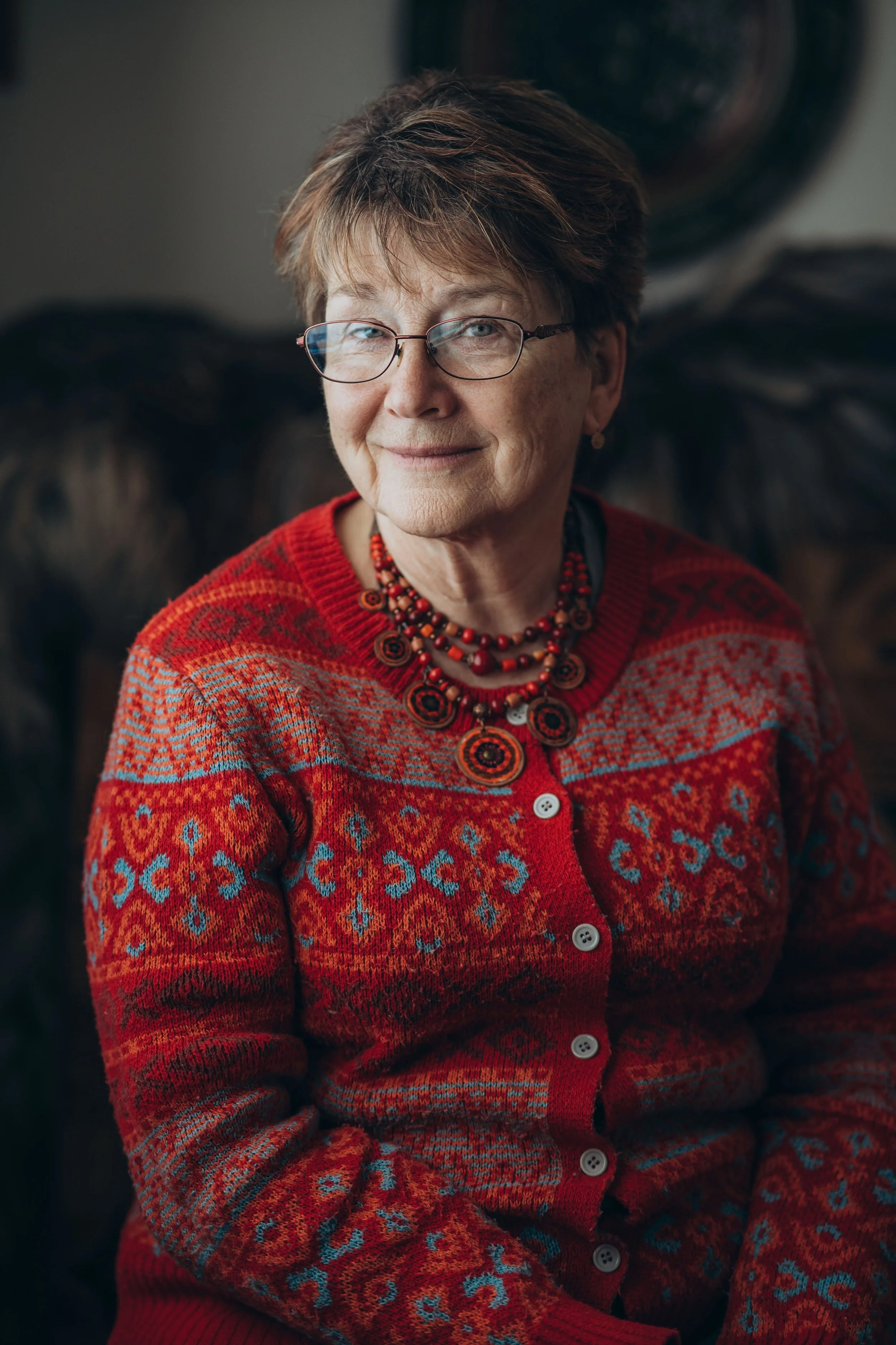
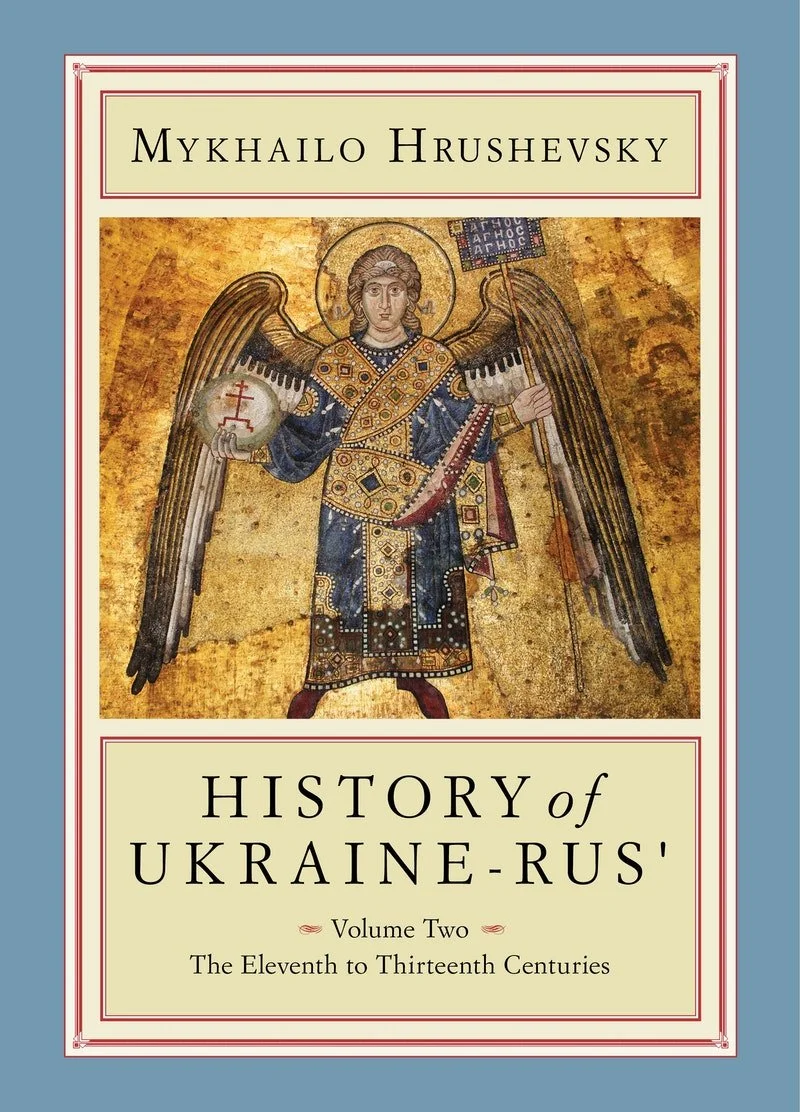
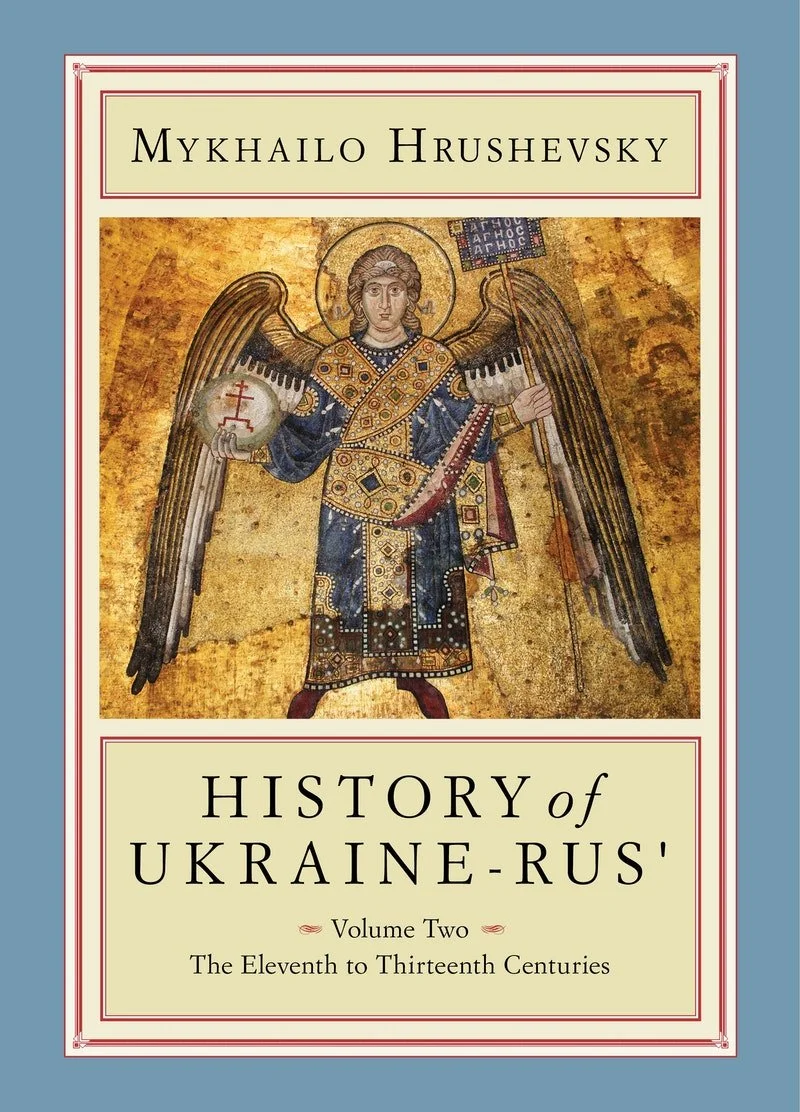
Mykhailo Hrushevsky – Author Ian Press – Translator Tania Plawuszczak-Stech – Co-translator and Managing Editor CIUS Press – Publisher
“The Grand Prix was awarded not only as an acknowledgement of the volume’s excellence in translation, but also in recognition of its exceptional importance in making Hrushevsky’s magnum opus accessible to a global audience.”
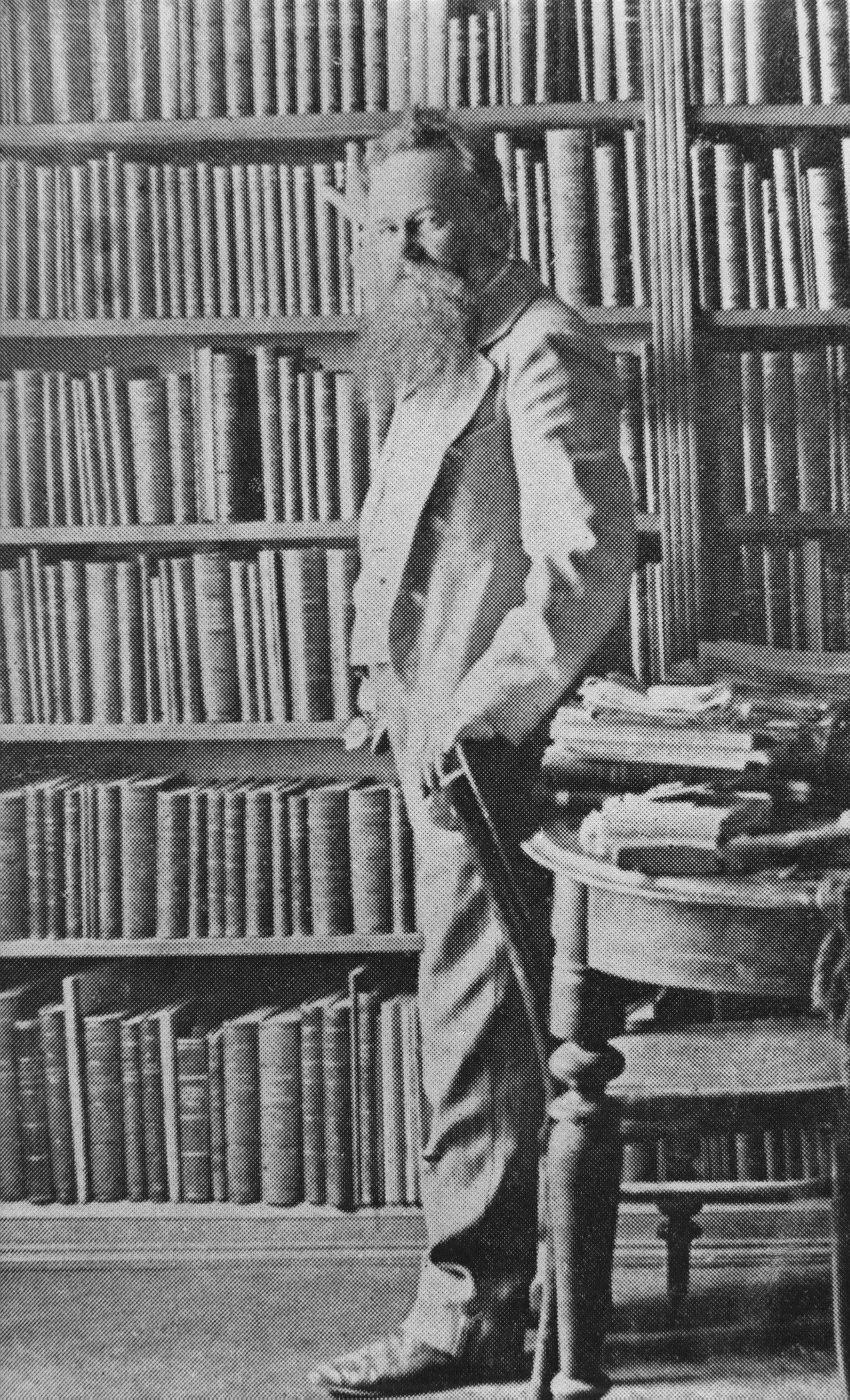
Hrushevsky’s History of Ukraine-Rus’ represented a seismic break from the Russocentric paradigm that had previously driven historiography. Russian imperial domination of political history had sought to entrench a narrative advocating a direct continuity between Rus’ and the Suzdalia-Muscovy-Russian Empire — an interpretation of medieval history that, for decades, Western scholarship had fully embraced. The content of Hrushevsky’s volume 2—especially its three chapters of political history covering the period from 1015 to 1252—was central to contesting the imperial legend that Russia was the direct political successor of the Kyivan-Rus’ state — a myth that Russia’s present-day political leadership continues to perpetuate. The fact that this monumental history is now available in English, guarantees that this historically significant work will forever be accessible to a worldwide scholarly audience.
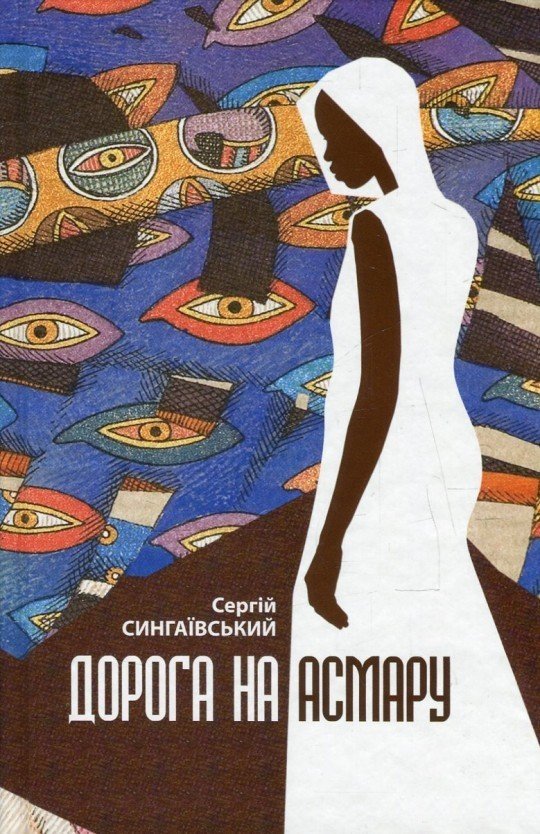
About the project: In the words of Ukrainian writer, Oksana Zabuzhko: “Road to Asmara is the best book written in Ukrainian in the past decade. This book has a great future not only because it’s well written. It is essentially the first Ukrainian viewpoint on the history of the Soviet Union’s colonial wars in the 20th century. It has yet to reach the wider public, with the exception of the no-nonsense men who were forced into Soviet Army duty, if not in Afghanistan then other military arenas […] where our boys got sent as cannon fodder in those ‘glorious’ times. And this is precisely the contribution that Ukrainian literature is called upon to make in the world. European journalists I know, who’ve heard there’s a Ukrainian novel written about the 1984–86 famine in Ethiopia, have asked me when the English translation is coming out so that they can read it.”
In the words of a recent review by Ihor Siundiukov: “As with any true and personal story that takes place during a period of transition, the many issues raised by this novel are still relevant today. Some of them are unfamiliar, if not unprecedented, in Ukrainian literature: Soviet racism, the price of independence and personal freedom, individual responsibility and commanding officers’ responsibility, and whether love has any chance at all in this world…”
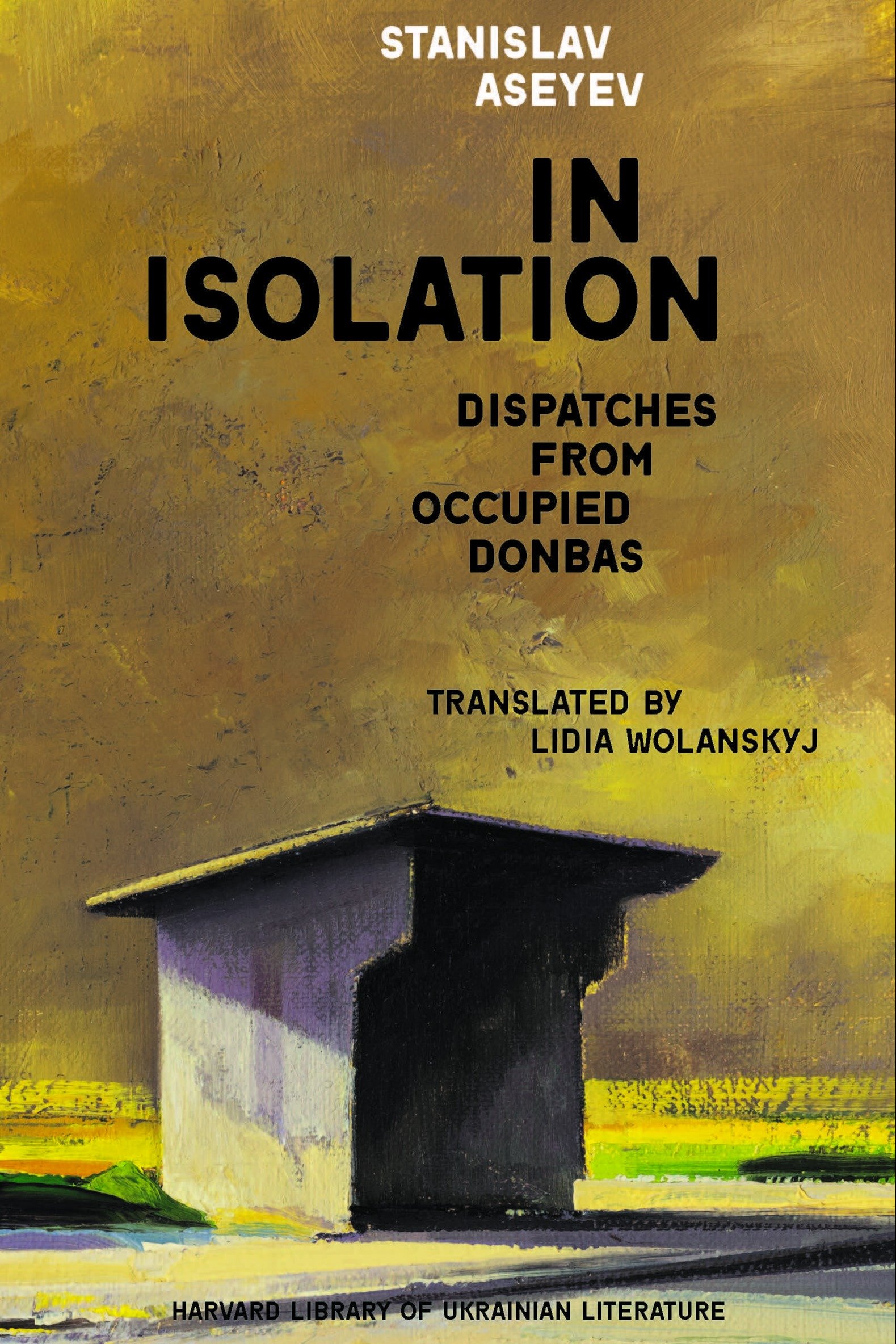
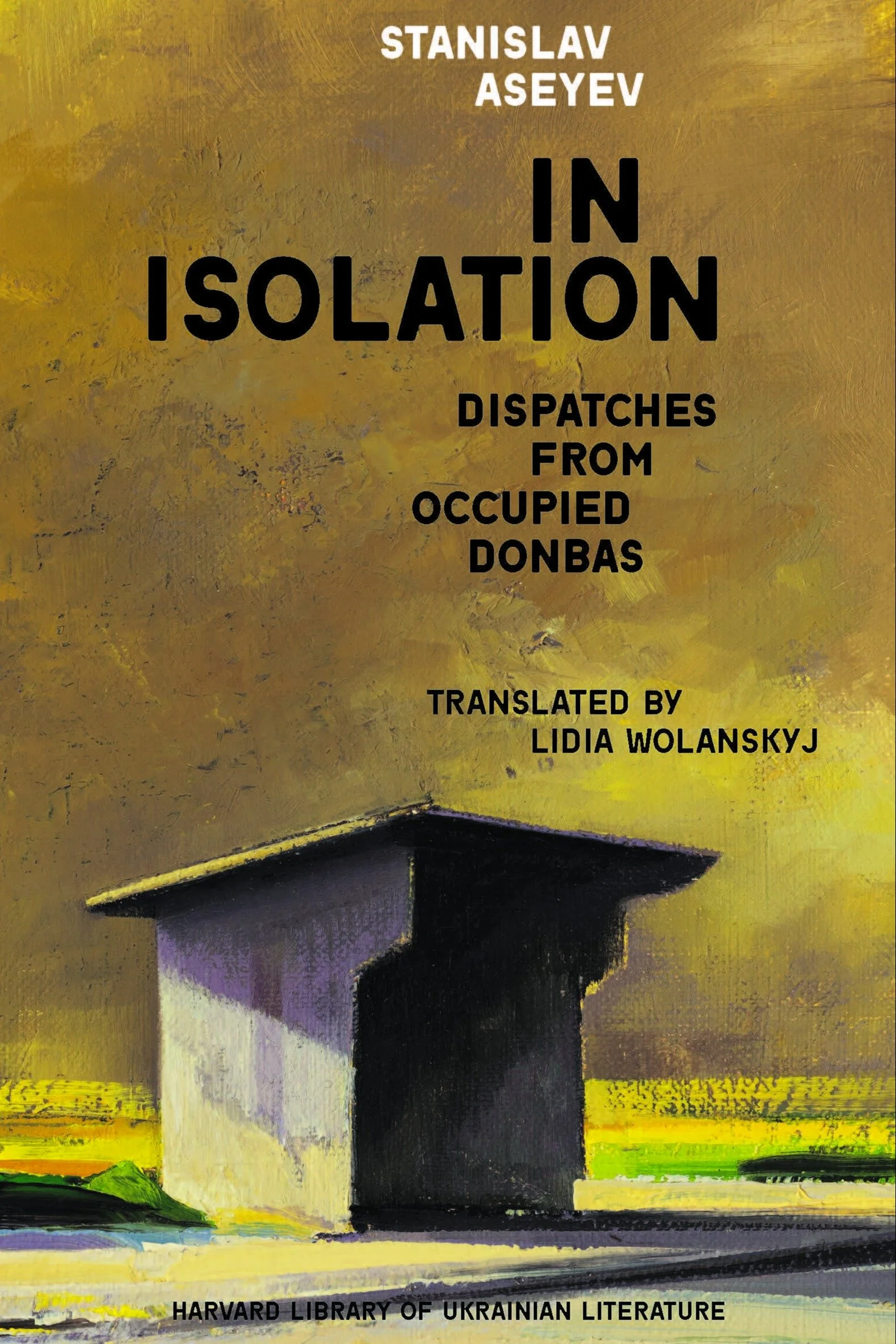
In Isolation. Dispatches from Occupied Donbas «В Ізоляції. Дописи про Донбас »
Author: Stanislav Aseyev Translator: Lidia Wolanskyj
About the project: In this exceptional collection of dispatches from occupied Donbas, writer and journalist Stanislav Aseyev details the internal and external changes observed in the cities of Makiïvka and Donetsk in eastern Ukraine. Aseyev scrutinizes his immediate environment and questions himself in an attempt to understand the reasons behind the success of Russian propaganda among the working-class residents of the industrial region of Donbas.
Aseyev’s documentary prose takes place during the 2015-2017 years of Russia’s military aggression in eastern Ukraine. The author’s testimony ends with his arrest for publishing his dispatches and his subsequent imprisonment and torture in a modern-day concentration camp on the outskirts of Donetsk run by lawless mercenaries and local militants with the tacit approval and support of Moscow. For the first time, an inside account is presented here of the toll on real human lives and civic freedoms that the citizens of Europe’s largest country continue to suffer in Russia’s hybrid war on its territory.
Stanislav Aseyev received the 2021 Shevchenko National Prize for Journalism for this book — Ukraine’s highest recognition in culture and the arts.
The book is expected to be published by the Ukrainian Research Institute at Harvard University in 2022.
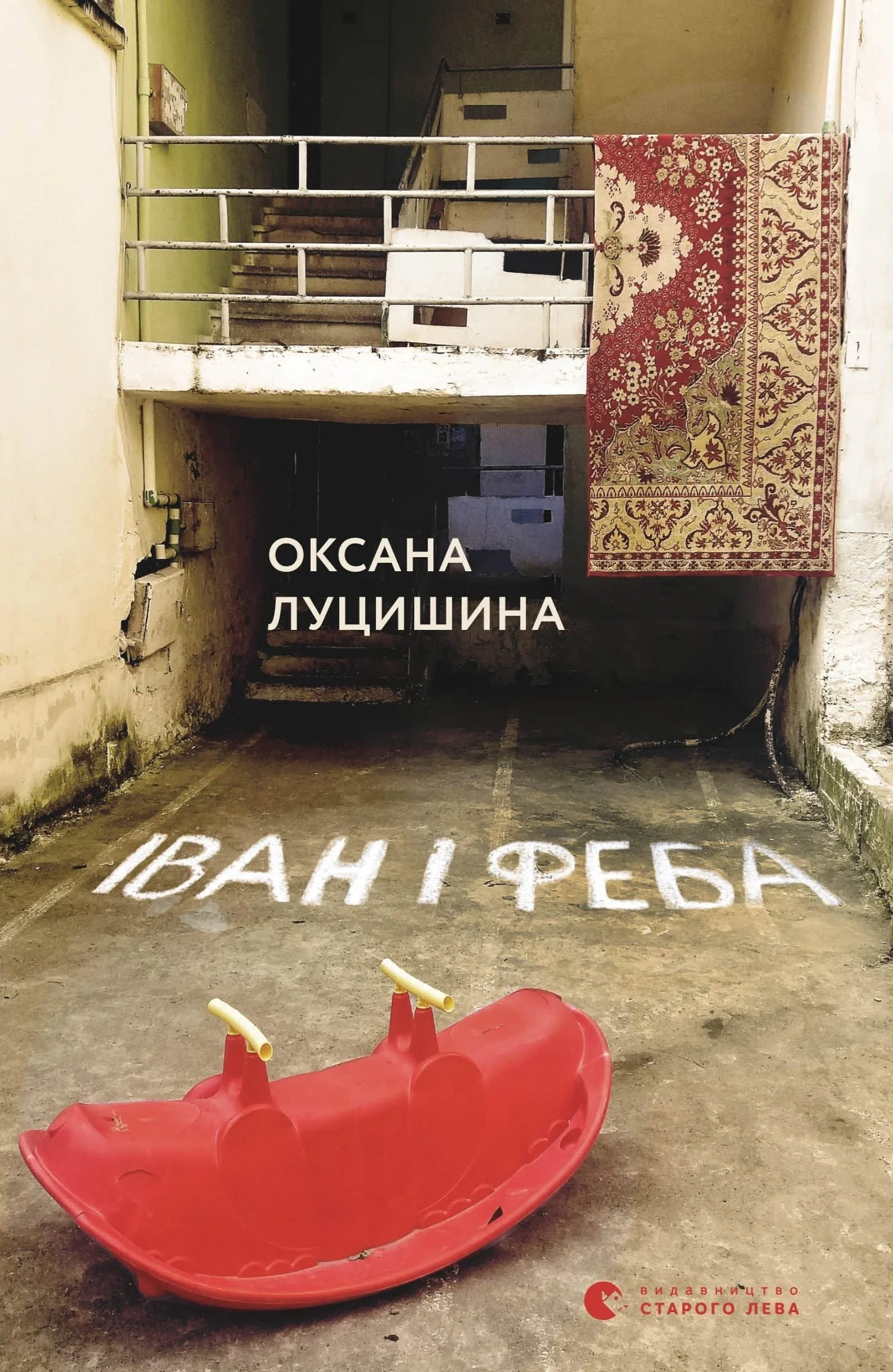
About the project: “Ivan and Phoebe” won Ukraine’s Taras Shevchenko National Prize for Literature in 2021. The novel chronicles the lives of several young people involved in the Revolution on the Granite in 1990. The story is set in Uzhgorod, Kyiv and Lviv. As the characters come to exercise their rights to free speech and protest, something that their upbringing absolutely had not prepared them to do, they must also re-evaluate the norms of marriage, family, and home life. While these initially appear to be spaces of peace and harmony, they are soon revealed to be hot beds of conflict and multigenerational trauma.
“Ivan and Phoebe” is an epic novel (projected 120,000 in English) with a solid historical foundation. The translation requires intense engagement not only with the narrative voice, but also with unique and dialectical speech of many characters and historical facts.
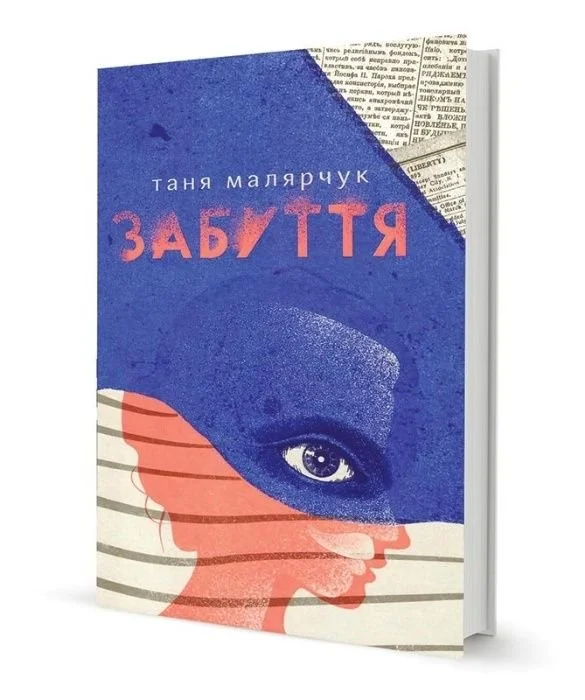
About the project: Published in Ukraine by Old Lion Publishing in 2016, Tanja Maljartcshuk’s Forgottenness («Забуття») was the winner of the BBC Book of the Year Award. This literary, psychological, and historical novel, written in hauntingly sparse and deliberate prose, chronicles the mental and emotional journey of a young Ukrainian woman searching through her nation’s past for footprints to guide her through the present. The narrator, a young author, finds her life spiralling downward through a series of progressively less successful relationships until she is teetering on the verge of psychosis. She discovers unexpected solace and companionship in the unlikely figure of Vyacheslav Lypynsky (1882-1931), an unsung Ukrainian social and political activist of Polish descent, whose life is artfully tied with that of the narrator throughout the book. Thought-provoking digressions concurrently tell the story of multiple generations of the narrator’s family against the historical backdrop of twentieth-century Ukraine. As the narrator grasps at sanity, she simultaneously grasps at aspects of her nation’s history to keep them from slipping into oblivion. Complex in both content and structure, Forgottenness defies a nation’s Soviet-imposed memory of rootlessness by exploring the burden of a collective memory built on fear, obedience, and forgetting.
The book will be published by Liveright, the fiction imprint of W. W. Norton & Company.